
How Long Does Home Health Care Last is one of the most common questions families ask when a loved one is recovering from surgery, returning home after a hospital stay, managing a chronic condition, or beginning to need more help with daily routines. The answer depends on the type of care being discussed, the person’s medical needs, the care plan, insurance coverage, and whether the support is skilled medical home health care or non-medical home care.
In many cases, home health care is short-term and focused on recovery, rehabilitation, or skilled medical needs. For example, someone may receive nursing care, physical therapy, occupational therapy, or speech therapy at home after an illness, surgery, or hospitalization. This type of care may last a few weeks, several months, or longer if the person continues to meet eligibility requirements.
Non-medical home care is different. It can last as long as the person and family need support. This may include help with personal care, meals, companionship, medication reminders, transportation, light housekeeping, memory support, respite care, or supervision. For some families, care may be temporary. For others, home care becomes part of a long-term support plan.
Understanding How Long Does Home Health Care Last can help families plan ahead, avoid confusion, and choose the right level of care for their loved one.

Home Health Care vs. Home Care
Before answering How Long Does Home Health Care Last, it is important to understand the difference between home health care and home care. These terms sound similar, but they are not always the same.
Home health care usually refers to skilled medical care provided in the home. This may include skilled nursing, wound care, physical therapy, occupational therapy, speech therapy, injections, monitoring after hospitalization, or medical care ordered by a doctor. Home health care is often provided by a Medicare-certified home health agency when a person meets specific requirements.
Home care usually refers to non-medical support provided in the home. This may include assistance with bathing, dressing, grooming, meal preparation, companionship, light housekeeping, transportation, medication reminders, mobility support, and supervision. Non-medical home care is often used when a loved one needs help staying safe and comfortable at home, even if they do not need skilled nursing or therapy.
This distinction matters because skilled home health care may be limited by medical necessity, insurance requirements, and provider orders. Non-medical home care can often be scheduled based on the family’s needs, preferences, and budget.

How Long Does Medicare Home Health Care Last?
For people who qualify, Medicare may cover home health care as long as the person continues to meet the coverage requirements. According to Medicare.gov, if a person qualifies, they can receive unlimited home health visits. In most cases, part-time or intermittent skilled nursing care and home health aide services may be provided up to 8 hours a day combined, for a maximum of 28 hours per week. More frequent care may be available for a short time if a provider determines it is necessary.
This does not mean Medicare covers unlimited full-time care at home. Medicare home health care is generally designed for people who need part-time or intermittent skilled care, not 24-hour care, long-term custodial care, or help only with activities of daily living.
Medicare coverage usually depends on several requirements. A person typically must be under the care of a doctor or allowed practitioner, have a care plan reviewed regularly, need skilled care on an intermittent basis, and be considered homebound. These rules can be confusing, so families should speak directly with the home health agency, physician, or Medicare plan to understand what is covered.
What Does “Homebound” Mean for Home Health Care?
For Medicare-covered home health care, being homebound does not always mean a person can never leave the house. It generally means leaving home requires a considerable and taxing effort, or the person needs help from another person, medical equipment, or special transportation to leave safely.
A person may still leave home for medical appointments, adult day care, religious services, or occasional short outings and still qualify as homebound in some cases. The key is whether leaving home is difficult due to illness, injury, weakness, mobility limitations, or medical condition.
This requirement is one reason some people qualify for home health care after a hospital stay or major health event, while others do not. A person who needs help with bathing, meals, or household tasks but does not need skilled medical care may not qualify for Medicare home health coverage. In that situation, non-medical home care may be the better fit.

Why Home Health Care May Last a Few Weeks
For many people, home health care lasts a few weeks because the goal is recovery. A person may receive home health care after surgery, an injury, a hospital stay, or a new diagnosis. Once they improve, regain strength, or no longer need skilled services, the home health episode may end.
For example, someone recovering from a hip replacement may receive physical therapy at home for several weeks. A person with a wound may receive skilled nursing visits until the wound improves. Someone recovering from a stroke may receive therapy at home during the early recovery period.
In these cases, home health care is not meant to continue forever. It is designed to help the person recover, stabilize, or transition safely back into daily life. Once skilled care is no longer medically necessary, coverage may stop.
Why Home Health Care May Last Longer
Home health care may last longer when the person continues to meet eligibility requirements and still needs skilled care. Some individuals have chronic conditions that require ongoing skilled nursing or therapy. Others may have complex medical needs that do not resolve quickly.
Medicare home health care can continue beyond one episode if the person remains eligible and the care is medically necessary. CMS materials explain that recertification is required at least every 60 days when there is a continuing need for home health care.
This means care can be extended, but it must be reviewed and supported by the medical need. Families should not assume that home health care automatically ends after a set number of days. They also should not assume it will continue indefinitely without review.
The care plan, doctor’s orders, progress, insurance rules, and ongoing medical needs all play a role in how long home health care lasts.
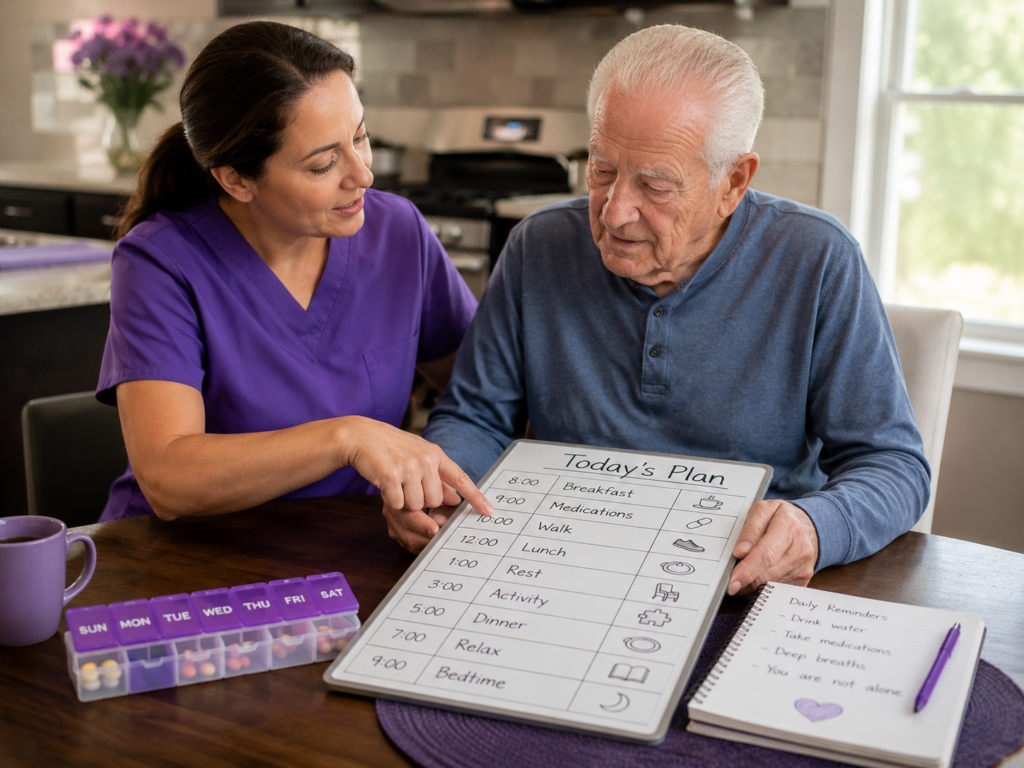
What Determines the Length of Home Health Care?
Several factors determine how long home health care lasts. The first is medical necessity. If the person still needs skilled nursing, therapy, or medical monitoring, care may continue. If the skilled need ends, home health care may end as well.
The second factor is progress. If a person is improving and reaching care goals, services may be reduced or discharged. If the person is not improving but skilled care is still needed to maintain function or prevent decline, the care plan may be reassessed.
The third factor is insurance coverage. Medicare, Medicare Advantage, private insurance, Medicaid, and other payers may each have their own rules. Families should always confirm coverage details directly with the payer and care provider.
The fourth factor is the type of support needed. If the person mainly needs help with bathing, meals, companionship, supervision, or household tasks, skilled home health care may not be the right category. Non-medical home care may provide the ongoing support the family is actually looking for.
How Long Can Non-Medical Home Care Last?
Non-medical home care can last as long as the person needs support. Unlike skilled home health care, non-medical home care is not always tied to a short-term medical episode. It may be used for a few days, a few weeks, several months, or many years.
A family may schedule home care temporarily after surgery, during a transition home from rehab, or while a family caregiver is away. Another family may use home care long-term for a loved one living with Alzheimer’s disease, Parkinson’s disease, mobility challenges, fall risk, or daily personal care needs.
This is where many families get confused when asking How Long Does Home Health Care Last. They may be asking about medical home health care, but what they really need is daily help at home. In that case, non-medical home care may provide more flexibility.
Hummingbird Care Services provides in-home care services that can be personalized around each family’s needs, including support with daily routines, companionship, personal care, memory support, respite care, and more: https://www.hummingbirdcareservices.com/in-home-care-services/

Short-Term Home Care After a Hospital Stay
Short-term home care can be helpful after a hospital stay, surgery, illness, or rehab discharge. Even if a person does not need skilled nursing every day, they may still need help getting settled safely at home.
A caregiver can assist with meals, mobility support, light housekeeping, transportation, personal care, and reminders. This type of help can reduce stress during the transition home and may lower the risk of preventable setbacks caused by missed meals, unsafe movement, or lack of support.
For some families, short-term care lasts a week or two. For others, it may last several months depending on recovery. The goal is to help the person regain confidence, stability, and comfort at home.
Hummingbird’s Nestbound Journey Program is designed to support safer transitions home after hospitalization, rehab, or medical treatment: https://www.hummingbirdcareservices.com/nestbound-transitional-care/
Long-Term Home Care for Chronic Conditions
Some families need care that lasts much longer. A loved one living with Alzheimer’s disease, dementia, Parkinson’s disease, stroke-related limitations, frailty, or mobility challenges may need ongoing support to remain safe at home.
Long-term home care may begin with a few hours per week and increase as needs change. A person may start with companionship and meal preparation, then later need personal care, mobility assistance, supervision, or respite care for family caregivers.
The benefit of home care is flexibility. Care can often be adjusted as the person’s needs change. A family may increase hours after a fall, reduce hours after recovery, or add evening support if nighttime routines become more difficult.
Long-term care is not always about medical treatment. Often, it is about preserving dignity, safety, routine, and quality of life.
How Long Does Home Health Care Last for Dementia or Alzheimer’s?
For dementia or Alzheimer’s disease, skilled home health care may be available for specific medical needs, but it does not usually cover ongoing supervision or custodial care by itself. Families often need non-medical home care when memory loss begins affecting safety, hygiene, meals, routines, or caregiver stress.
A person with Alzheimer’s disease may need help for years as symptoms progress. The level of support may change over time. Early on, they may only need reminders, companionship, transportation, or help with meals. Later, they may need hands-on personal care, supervision, and structured routines.
Hummingbird Care Services offers memory support services for individuals living with Alzheimer’s, dementia, and other memory-related conditions: https://www.hummingbirdcareservices.com/memory-support/
For families, the better question may not only be How Long Does Home Health Care Last, but also what type of care will help the loved one remain safe, comfortable, and supported over time.

Can Home Care Be 24 Hours a Day?
Yes, non-medical home care can be arranged for extended hours or around-the-clock support, depending on the provider and the family’s needs. This is different from Medicare-covered home health care, which is typically part-time or intermittent.
Some individuals need daytime support only. Others need overnight assistance, evening supervision, or 24-hour care because they cannot safely be left alone. This may happen with advanced dementia, serious mobility concerns, high fall risk, wandering, or complex daily care needs.
Hummingbird Care Services provides 24-hour home care services for families who need continuous support and peace of mind: https://www.hummingbirdcareservices.com/24-hour-care/
Around-the-clock care can help families avoid unsafe gaps in supervision, especially when a loved one needs assistance during both day and night.
How Families Know Care Should Continue
Families may wonder when care should continue, increase, decrease, or end. The answer depends on safety, function, comfort, and caregiver capacity.
Care may need to continue if the person still struggles with bathing, dressing, meals, medication reminders, mobility, transportation, memory loss, or household safety. Care may need to increase if there are falls, wandering, missed medications, poor nutrition, unsafe cooking, nighttime confusion, or caregiver exhaustion.
Care may decrease if the person recovers, regains strength, becomes more independent, or has support from family members. Care may end if short-term recovery goals are met and the person can safely manage daily routines.
A good care plan should be reviewed regularly. The needs of an older adult can change quickly after illness, hospitalization, medication changes, or cognitive decline. Families should stay flexible and adjust support before a crisis happens.
What Happens When Home Health Care Ends?
When skilled home health care ends, families may still need support. A person may no longer need a nurse or therapist, but they may still need help with bathing, dressing, meal preparation, transportation, or household tasks.
This transition can feel confusing. Families may think, “The home health agency discharged them, but they still need help.” That situation is very common. It usually means the skilled medical need has ended, but daily living needs remain.
This is where non-medical home care can fill an important gap. A caregiver can help maintain routines, reduce fall risk, support nutrition, provide companionship, and give family caregivers relief.

Does Insurance Cover Long-Term Home Care?
Insurance coverage depends on the type of care and the policy. Medicare may cover qualifying skilled home health care, but it generally does not cover long-term custodial care when the main need is help with daily activities. Medicare.gov specifically lists 24-hour-a-day care at home, meal delivery, homemaker services unrelated to the care plan, and personal care when that is the only care needed as services Medicare does not cover under home health benefits.
Long-term non-medical home care may be paid privately, through long-term care insurance, certain Medicaid programs, veterans benefits, or other funding sources depending on eligibility. Families should review policies carefully and ask providers what documentation may be needed.
Because coverage rules can vary, families should not assume one answer applies to everyone. It is always best to confirm directly with the insurance plan, benefits administrator, or care provider.
Questions Families Should Ask Before Starting Care
Before starting care, families should ask what type of care is being provided, who pays for it, how long it is expected to last, and what happens if needs change. They should also ask whether care is skilled medical home health care or non-medical home care.
Helpful questions include: What services are included? Is a doctor’s order required? How often will the care plan be reviewed? Can hours be increased or reduced? What happens after discharge? Who should the family call if needs change?
These questions help avoid surprises. They also help families understand whether the current care plan is temporary, ongoing, medical, non-medical, insurance-covered, or private pay.

How Long Does Home Health Care Last: The Practical Answer
How Long Does Home Health Care Last depends on the type of care. Skilled home health care may last as long as the person continues to qualify, has a skilled medical need, and meets payer requirements. It may be short-term after surgery or hospitalization, or it may continue longer with proper recertification and medical necessity.
Non-medical home care can last as long as the family needs support. It may be short-term during recovery, temporary during a caregiver’s absence, or long-term for chronic conditions, memory loss, mobility challenges, or daily personal care needs.
The most important step is identifying what kind of help your loved one needs. If they need skilled nursing or therapy, home health care may be appropriate. If they need help with daily living, safety, companionship, or routines, non-medical home care may be the better fit.
Conclusion
How Long Does Home Health Care Last does not have one single answer. Skilled home health care may last for a few weeks, several months, or longer if the person continues to meet medical and coverage requirements. Non-medical home care can continue as long as support is needed and can be adjusted over time.
Families should understand the difference between medical home health care and non-medical home care. One may be focused on skilled treatment and recovery. The other may be focused on daily support, safety, comfort, and quality of life.
If your loved one needs help at home after illness, surgery, hospitalization, memory changes, mobility concerns, or caregiver burnout, Hummingbird Care Services can help create a personalized care plan designed around your family’s needs.