
Comfort care does not mean that death will happen immediately. Families often ask does comfort care mean death when a doctor recommends shifting attention away from aggressive treatment and toward relief from pain, breathing problems, anxiety, nausea, or other distressing symptoms. Comfort care focuses on making a person feel as comfortable and supported as possible, especially when a serious illness has become difficult to treat or when burdensome treatment is no longer helping enough.
Understanding does comfort care mean death also requires separating comfort-focused treatment from giving up on care. Medical care continues, but the goals change. Instead of focusing mainly on curing the illness or extending life at any cost, the care plan may prioritize pain relief, symptom control, emotional support, dignity, and quality of life. Some people receive comfort-focused care for a short period near the end of life, while others receive palliative support much earlier in a serious illness.
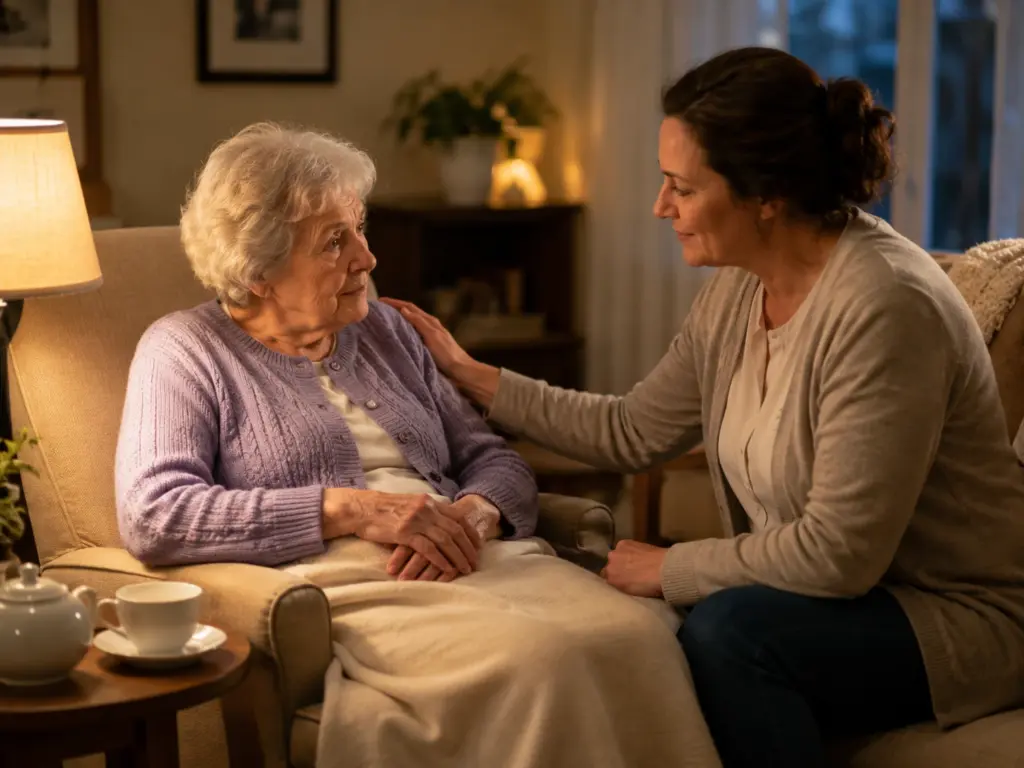
Does Comfort Care Mean Death Is Very Near?
The answer to does comfort care mean death is no, not necessarily. Comfort care may be recommended when a person is seriously ill and the main priority has shifted toward quality of life. In some situations, this happens during the final days or weeks. In others, comfort-focused care can continue for a much longer period depending on the illness, treatment goals, and overall condition.
Doctors cannot predict an exact date of death simply because comfort care begins. A person may stabilize after symptoms are better controlled, while another may continue declining because the underlying illness is advanced. Families should ask the healthcare team what changes they are seeing and what they expect in the coming days or weeks rather than treating the term comfort care as a fixed timeline.
Comfort Care Focuses On Relief From Symptoms
When families ask does comfort care mean death, they may misunderstand what the care actually involves. Comfort care can include medications for pain, shortness of breath, nausea, anxiety, agitation, constipation, and other symptoms. It may also involve positioning, oxygen when appropriate, skin care, mouth care, emotional reassurance, and changes to the environment that reduce distress.
The goal is to relieve suffering rather than stop all medical attention. Healthcare professionals can continue monitoring symptoms and adjusting medications as needed. Families may also receive guidance about what changes to expect and how they can help. This type of support can make a difficult stage of illness more manageable for both the patient and the people caring for them.

Comfort Care And Hospice Are Closely Related
Another reason people ask does comfort care mean death is that the term is often used during conversations about hospice. Hospice is a form of comfort-focused care for people with a terminal illness who meet specific eligibility requirements. Under Medicare, hospice generally requires a prognosis of six months or less if the illness follows its normal course and a decision to focus on comfort instead of curative treatment for the terminal condition.
The official CMS hospice guidance explains that hospice changes the focus toward palliative care for pain relief and symptom management rather than care intended to cure the terminal illness. Hospice can include nursing care, medications, equipment, counseling, aide services, and other support based on an individualized plan of care.
Comfort Care Can Also Be Part Of Palliative Care
The question does comfort care mean death can also come up when palliative care is recommended. Palliative care focuses on comfort and quality of life for people with serious illnesses, but it does not always mean the person is approaching death. Someone can receive palliative care while continuing chemotherapy, surgery, medications, or other treatments aimed at controlling the disease.
Hummingbird’s palliative care can support people dealing with pain, weakness, fatigue, breathing problems, and other symptoms at home. This type of care may begin long before hospice becomes appropriate. The focus is on reducing discomfort and helping the person maintain as much quality of life as possible while other medical treatment continues.
Why Doctors May Recommend Comfort-Focused Care
Understanding does comfort care mean death also means understanding why the recommendation may come up. A serious illness may reach a point where treatments are no longer working well, side effects have become too difficult, or repeated hospital stays are causing more burden than benefit. The person may also decide that remaining comfortable at home is more important than continuing aggressive treatment.
A recommendation for comfort care does not automatically mean there are no medical options left. It often means the healthcare team and patient are reconsidering which options provide meaningful benefit. Treatment decisions can shift toward managing pain, breathing difficulty, agitation, or other symptoms while avoiding procedures that are unlikely to improve the person’s condition or quality of life.

Families May Notice Changes As Illness Progresses
Families wondering does comfort care mean death may already be seeing changes such as increased sleeping, weakness, reduced appetite, weight loss, or a growing need for assistance. These signs can occur as serious illness progresses, but they do not always mean death is only hours or days away. Their meaning depends on the underlying condition and whether another treatable problem is present.
As weakness increases, the person may need help with bathing, dressing, toileting, meals, and mobility. Hummingbird’s personal assistance can provide hands-on help with these daily needs. Additional support can allow relatives to spend more time providing companionship and emotional reassurance instead of handling every physical caregiving task themselves.
Comfort Care Can Continue At Home
Another important part of does comfort care mean death is where the care takes place. Many people can receive comfort-focused support at home, depending on their medical condition and the services available. Being in familiar surroundings may reduce stress while allowing the person to remain near family, personal belongings, and familiar routines.
Home care needs can increase as the illness progresses. Someone who initially needs occasional assistance may later require continuous supervision, help with mobility, or nighttime support. 24-hour care can provide ongoing non-medical assistance when needs continue throughout the day and night. This support can work alongside hospice, palliative care, or other medical services.
Comfort Care Still Involves Important Decisions
When families ask does comfort care mean death, they may also be facing decisions about medications, hospital visits, nutrition, hydration, or emergency treatment. Comfort-focused care does not automatically create one answer for every situation. The person’s wishes, medical condition, symptoms, and goals should guide the care plan.
Healthcare professionals can explain which treatments may improve comfort and which may create additional burden. Families should ask questions when recommendations are unclear. Discussing goals early can also reduce confusion during a crisis. The purpose of comfort care is not to hasten death, but to make medical decisions that prioritize relief from suffering and respect the person’s preferences.

Comfort Care Means The Goal Of Treatment Has Changed
So, does comfort care mean death? No. It means that comfort, dignity, symptom relief, and quality of life have become central goals of care. For some people, this shift occurs very near the end of life. For others, comfort-focused support begins much earlier and continues alongside other forms of treatment.
Families should focus on what comfort care means for their loved one rather than assuming the term predicts an exact timeline. Hummingbird’s palliative care can provide supportive care at home when serious illness makes pain, weakness, fatigue, or other symptoms harder to manage. A care plan can then change as the person’s condition and priorities evolve.