
Dementia can eventually become life-limiting because advanced brain damage affects much more than memory and thinking. Families often ask how does dementia kill when a loved one begins losing weight, having trouble swallowing, becoming less mobile, or needing help with nearly every daily activity. Dementia itself progressively damages the brain, but death often occurs after complications such as pneumonia, infections, poor nutrition, dehydration, or severe physical weakness develop.
Understanding how does dementia kill can help families recognize why advanced dementia affects the entire body. The brain controls movement, swallowing, communication, awareness, and many behaviors needed for basic self-care. As the disease progresses, a person may become unable to eat safely, move independently, communicate discomfort, or recover easily from illness. These changes can make relatively common medical problems far more serious.

How Does Dementia Kill In Advanced Stages?
The basic answer to how does dementia kill is that progressive brain damage eventually interferes with essential functions. Early dementia may mainly affect memory, reasoning, or judgment. Later, the damage can spread to brain networks involved in movement, swallowing, communication, and awareness. A person may gradually lose the ability to complete even basic activities without assistance.
Advanced dementia can leave someone dependent on others for eating, drinking, bathing, dressing, toileting, and repositioning. Physical strength may also decrease as activity becomes limited. These changes do not usually happen all at once. Instead, the disease gradually reduces the person’s ability to manage physical needs and recover from illness, increasing vulnerability to serious complications.
Swallowing Problems Can Lead To Pneumonia
Swallowing difficulty is one major reason families researching how does dementia kill encounter pneumonia so often. Advanced dementia can affect the brain’s ability to coordinate chewing and swallowing. A person may cough during meals, hold food in the mouth, struggle with liquids, or take much longer to eat. They may also become too tired or confused to complete a meal safely.
Food, liquids, or saliva can sometimes enter the airway instead of moving safely into the stomach. This is known as aspiration and can contribute to aspiration pneumonia. Pneumonia can become especially serious when someone is already weak or frail. The CDC’s information about pneumonia risk factors provides broader information about conditions and factors that can increase the risk of serious lung infections.

Reduced Eating And Drinking Can Weaken The Body
Another part of how does dementia kill involves changes in eating and drinking. People with advanced dementia may lose interest in food, forget how to use utensils, have difficulty recognizing meals, or struggle to coordinate chewing and swallowing. Their appetite may also naturally decrease as the disease becomes more advanced and activity levels fall.
Reduced food and fluid intake can lead to weight loss, dehydration, weakness, and reduced ability to fight illness. Families often find this stage emotionally difficult because they may feel responsible for encouraging the person to eat. However, forcing food can cause distress when swallowing has become difficult. Medical professionals can help families choose safer textures, positioning, and comfort-focused approaches based on the person’s condition.
Infections Can Become More Dangerous
Infections are another important part of understanding how does dementia kill. Advanced dementia can make it difficult for someone to communicate pain, urinary symptoms, breathing problems, or other signs of illness. Instead, family members may notice increased sleepiness, reduced appetite, weakness, agitation, or a sudden decline in responsiveness.
Pneumonia, urinary tract infections, and other infections can place considerable stress on a frail body. Reduced mobility and swallowing problems can further increase vulnerability. Although some infections can be treated successfully, recovery may become more difficult as dementia advances. Families should report sudden or significant changes to the healthcare team rather than automatically assuming that every decline is caused by dementia itself.
Loss Of Mobility Creates Additional Health Risks
When families ask how does dementia kill, physical decline is another major part of the answer. Dementia can gradually affect balance, coordination, judgment, and the ability to understand instructions. A person who once walked independently may begin needing supervision, then assistance, and eventually become unable to walk safely without substantial support.
Limited mobility can contribute to muscle loss, stiffness, falls, pressure injuries, and difficulty clearing respiratory secretions. Someone who spends much of the day in bed may also require regular repositioning and closer skin care. Hummingbird’s personal assistance can help with mobility, bathing, dressing, toileting, meals, and other everyday needs as physical independence declines.

Dementia Can Make Other Medical Conditions Harder To Manage
The question how does dementia kill also involves the effect dementia has on existing health problems. A person may already have heart disease, diabetes, lung disease, kidney problems, or other chronic conditions. As cognitive function declines, they may become unable to report symptoms, follow treatment instructions, take medications correctly, or participate fully in their own healthcare.
Later-stage dementia can also make hospital treatment more difficult. Unfamiliar surroundings may worsen confusion or agitation, while weakness can make recovery slower. Families and medical professionals often need to consider whether a treatment is likely to improve comfort and quality of life or create additional distress. These decisions become increasingly important as the disease reaches an advanced stage.
Severe Dementia Can Lead To Complete Dependence
Another way to understand how does dementia kill is to look at the growing level of dependence caused by the disease. In advanced stages, a person may no longer recognize when they are hungry, thirsty, uncomfortable, or in danger. They may need assistance with nearly every part of daily life and may be unable to call for help when something is wrong.
Some individuals also develop nighttime confusion, wandering, falls, or difficulty changing position without help. When needs continue throughout the day and night, 24-hour care can provide ongoing supervision and hands-on assistance. Continuous support can help families manage safety, mobility, toileting, meals, and comfort when occasional caregiving is no longer enough.
Signs May Appear As The End Of Life Approaches
Families researching how does dementia kill often want to know what changes may appear near the end of life. A person may sleep much more, become less interested in food or fluids, communicate less, and lose additional strength. They may spend most of the day in bed and require complete assistance with personal care and repositioning.
Closer to death, breathing patterns may change and the person may become less responsive to people around them. Hands and feet can become cooler as circulation changes, and urine output may decrease when fluid intake falls. These signs do not provide an exact timeline, and not everyone experiences them in the same order. A hospice or palliative care team can help families understand changes as they occur.
Comfort Often Becomes The Main Goal Of Care
So, how does dementia kill? Advanced dementia gradually damages brain function until the person becomes increasingly vulnerable to swallowing problems, pneumonia, infections, dehydration, poor nutrition, immobility, and severe frailty. Death may result from one of these complications or from the overall decline caused by advanced neurological disease.
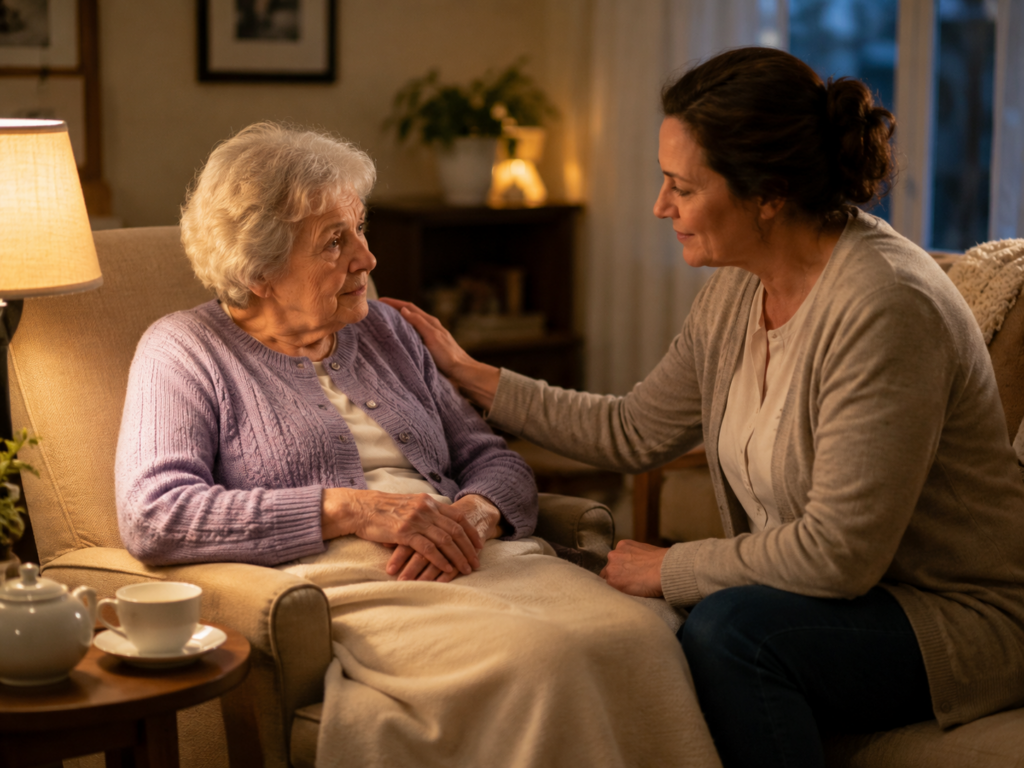
As dementia becomes life-limiting, families may decide to focus more heavily on comfort, dignity, and relief from distress. Hummingbird’s palliative care can provide additional support when comfort becomes a greater priority. Understanding how does dementia kill can help families prepare for changing needs and make care decisions that reflect the person’s condition, values, and quality of life.