
What Is a Personal Care Home is a question many families ask when a loved one begins needing help with daily routines, personal care, supervision, or safety. The phrase can be confusing because it may mean different things depending on the state, the care setting, and the type of support being provided. In general, a personal care home is a residential care setting where individuals receive help with daily living needs in a home-like environment.
A personal care home is not the same as living independently at home with a caregiver. It is also not always the same as a nursing home. A personal care home usually provides non-medical support, such as help with bathing, dressing, meals, medication reminders, mobility, supervision, and daily routines. Some personal care homes are smaller residential settings, while others may function similarly to assisted living depending on local regulations.
Understanding What Is a Personal Care Home can help families compare care options, ask better questions, and decide whether a loved one needs residential care or support at home. For many families, the real question is not just where care should happen, but what level of support will help their loved one remain safe, comfortable, and respected.
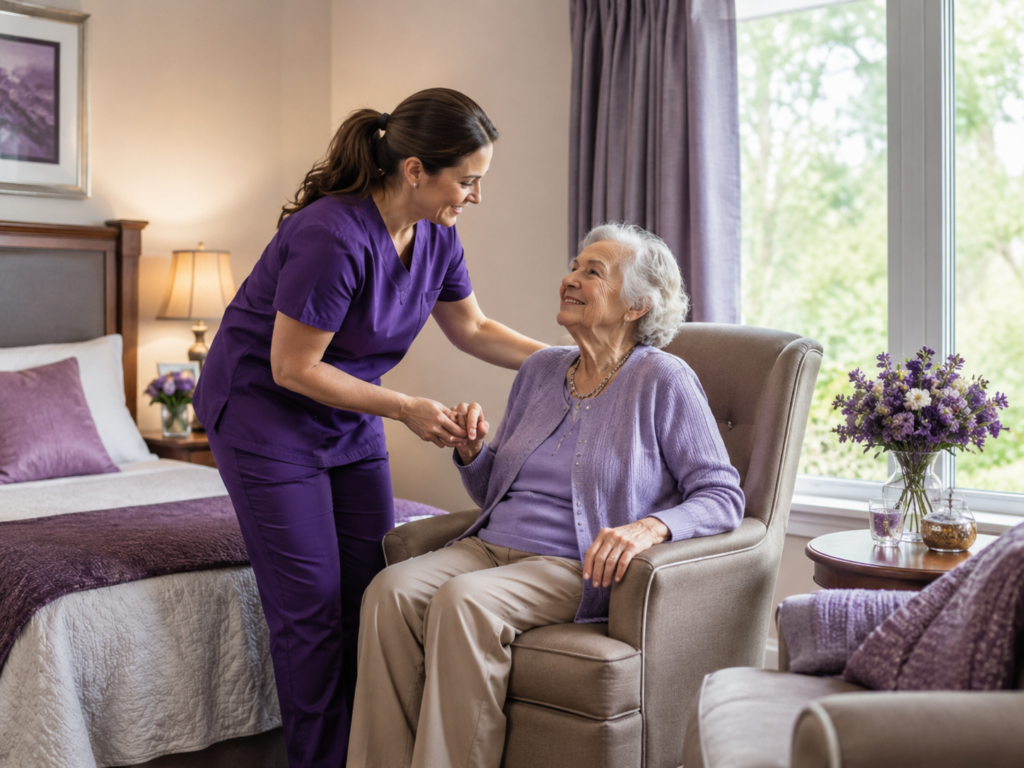
What Is a Personal Care Home in Simple Terms
A personal care home is a place where a person lives and receives help with daily activities. These daily activities are often called activities of daily living. They may include bathing, dressing, grooming, using the bathroom, eating, walking, transferring from one place to another, and managing basic routines.
Personal care homes are often designed for people who do not need hospital-level care or intensive skilled nursing, but who should not live completely alone without support. A resident may need assistance because of aging, mobility challenges, memory loss, chronic illness, disability, or general difficulty managing daily life safely.
In Florida, the term “personal care home” is not always used the same way it may be used in other states. Florida’s Agency for Health Care Administration describes an Adult Family Care Home as a residential home designed to provide personal care services, where the provider lives in the home and offers personal services for up to five residents.
That example matters because families may hear different terms, including personal care home, adult family care home, assisted living, residential care home, or board and care home. The exact meaning depends on local licensing and state rules.
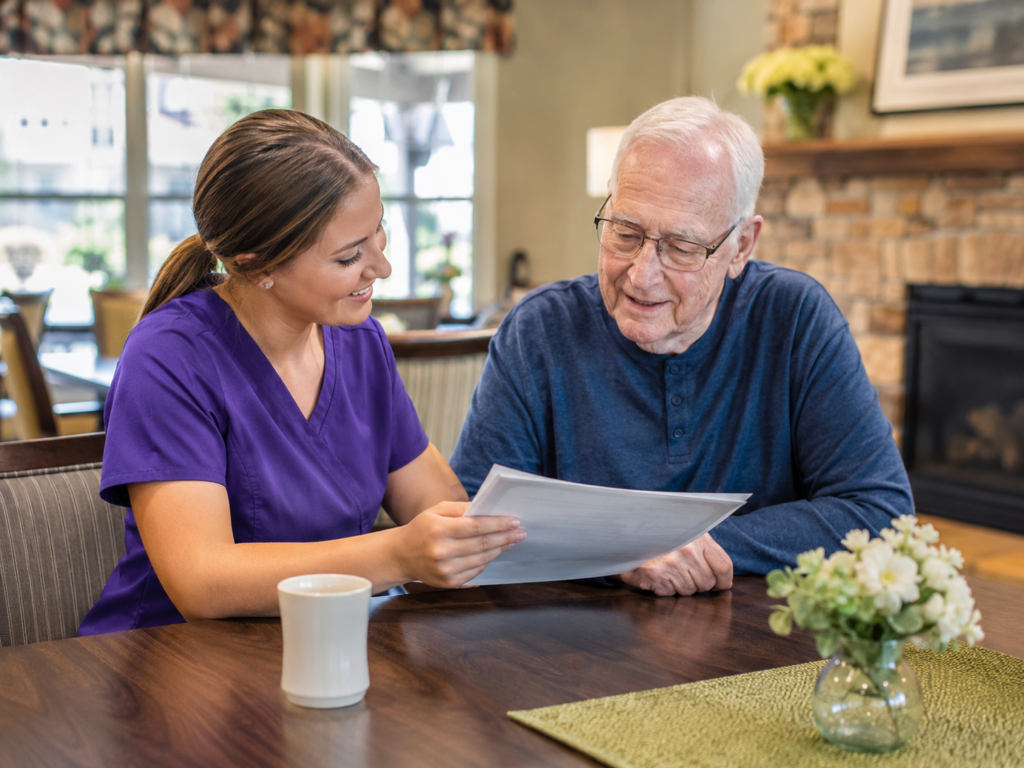
What Services Are Usually Provided in a Personal Care Home
A personal care home usually focuses on non-medical daily support. Residents may receive help with personal hygiene, bathing, dressing, grooming, toileting, meals, housekeeping, laundry, transportation coordination, medication reminders, and supervision. The goal is to help residents live in a safer and more supported setting than they could manage alone.
Personal care homes may also provide companionship and social interaction. This can be important for older adults who are isolated, widowed, living far from family, or struggling with loneliness. A structured daily routine can also help individuals who need consistency.
Some personal care homes may support residents with memory loss, mild cognitive decline, or early dementia, but not every personal care home is equipped for advanced memory care. Families should always ask directly about dementia care experience, staff training, safety measures, wandering prevention, nighttime supervision, and emergency procedures.
The CDC notes that caregivers often help older adults and people with chronic conditions with important daily tasks such as grocery shopping, bathing, dressing, managing medicines, and emotional support. Many of these same daily needs are what families are trying to solve when they begin researching personal care homes.
Personal Care Home vs. Assisted Living
A personal care home and assisted living may sound similar, and in some states the terms may overlap. Both may provide help with daily living needs, meals, supervision, and a residential setting. However, assisted living communities are often larger facilities with more residents, more structured programming, and broader staffing.
Personal care homes are often smaller and may feel more like a private home. Some families prefer this because it may feel less institutional and more personal. Others prefer assisted living because it may offer more amenities, activities, transportation, dining options, or specialized services.
FloridaHealthFinder describes assisted living as including residential facilities that provide direct physical assistance with or supervision of activities of daily living, medications, and other services depending on license type.
The best choice depends on the person’s needs. A loved one who wants social activities, dining programs, and a larger community may prefer assisted living. A loved one who needs a quieter setting and more home-like environment may prefer a smaller residential care option. A loved one who strongly wants to remain in their own home may be better served with in-home care.

Personal Care Home vs. Nursing Home
A personal care home is usually not the same as a nursing home. Nursing homes, also called skilled nursing facilities, provide a higher level of medical care and supervision. They may be appropriate for individuals who need 24-hour nursing care, rehabilitation, complex medical monitoring, wound care, or significant assistance due to serious medical conditions.
A personal care home is usually more focused on daily living support rather than skilled medical treatment. The person may need help getting dressed, eating meals, bathing safely, or remembering routines, but may not need ongoing skilled nursing care.
This distinction is important when families are deciding what level of care is appropriate. Choosing a care setting that is too limited can create safety concerns. Choosing a setting that is more medical than necessary may feel overwhelming or restrictive.
A doctor, discharge planner, case manager, or care professional can help families understand whether a loved one needs skilled nursing, assisted living, a personal care home, or in-home care.

Personal Care Home vs. In-Home Care
One of the biggest questions families face is whether a loved one should move into a care setting or receive support at home. A personal care home requires the person to relocate into a residential care environment. In-home care allows the person to remain in their own home while receiving support from caregivers.
In-home care may be a better fit when the person is safest and most comfortable at home, has strong family involvement, and does not need a residential setting. It can help with personal care, companionship, meals, light housekeeping, transportation, medication reminders, memory support, respite care, and daily routines.
Hummingbird Care Services provides in-home care services for families who want support in the comfort of home: https://www.hummingbirdcareservices.com/in-home-care-services/
For many families, in-home care can delay or reduce the need for residential placement. A loved one may be able to stay in familiar surroundings with the right level of support. This can be especially meaningful for individuals who feel secure at home or become anxious in unfamiliar environments.

Who May Benefit from a Personal Care Home
A personal care home may be helpful for someone who needs daily support but does not require full skilled nursing care. This may include older adults who have difficulty bathing, dressing, preparing meals, managing medications, walking safely, or staying socially engaged.
It may also benefit individuals who live alone and are no longer safe without supervision. For example, a person may be forgetting meals, missing medications, falling frequently, struggling with hygiene, or becoming isolated. A personal care home may provide structure and supervision in a residential setting.
However, not every person who needs help must move into a personal care home. If the person wants to remain at home and can do so safely with caregiver support, in-home care may be a strong option. Families should compare both choices before making a decision.
When asking What Is a Personal Care Home, families should also ask whether their loved one truly needs to move or simply needs more consistent help at home.
When In-Home Care May Be a Better Fit
In-home care may be a better fit when a loved one is emotionally attached to their home, has familiar routines, and can remain safe with the right support. Many older adults want to age in place because home represents comfort, independence, memories, and control.
A caregiver can help with bathing, dressing, grooming, meal preparation, errands, transportation, light housekeeping, companionship, and medication reminders. Care can often be adjusted as needs change. A family may start with a few hours per week and increase support over time.
In-home care can also help family caregivers avoid burnout. Instead of doing everything alone, family members can receive help with the daily tasks that become physically and emotionally demanding.
For personal assistance at home, families can learn more here: https://www.hummingbirdcareservices.com/personal-assistance/
Questions to Ask Before Choosing a Personal Care Home
Before choosing a personal care home, families should ask detailed questions. The setting may look warm and comfortable, but families need to understand the actual care provided.
Ask what services are included, how many residents live there, who provides care, what training staff receive, whether staff are awake overnight, and how emergencies are handled. Ask whether the home is licensed, what state agency oversees it, and whether inspection reports or complaint history are available.
Families should also ask about medication reminders, meals, bathing assistance, fall prevention, dementia support, transportation, visiting hours, cost, contracts, discharge rules, and what happens if care needs increase.
A personal care home may be a good fit when the answers match the loved one’s needs. If the home cannot support memory loss, mobility issues, behavior changes, or nighttime supervision, families may need a different level of care.

Cost and Coverage Considerations
Cost is one of the biggest factors families must consider. Personal care homes and other long-term care settings are often paid privately, through long-term care insurance, certain Medicaid programs, veterans benefits, or other funding sources depending on eligibility and location.
Medicare does not usually pay for long-term custodial care when the main need is help with daily activities. Medicare.gov explains that most long-term care is non-medical and includes help with activities of daily living such as bathing, dressing, using the bathroom, meals, adult day health care, and transportation. It also states that Medicare and most health insurance do not pay for long-term care services.
This can surprise families. A loved one may need real support, but that does not automatically mean Medicare will cover it. Families should review insurance policies, long-term care benefits, veterans benefits, Medicaid eligibility, and private pay options before making a decision.
How to Know If a Loved One Needs More Support
A loved one may need more support when daily routines become unsafe, inconsistent, or overwhelming. Warning signs may include repeated falls, missed medications, spoiled food, unpaid bills, poor hygiene, confusion, isolation, unsafe cooking, wandering, or caregiver exhaustion.
A single mistake may not mean a move is needed. Patterns matter. If problems are happening repeatedly or creating safety risks, families should take action.
Support does not always have to start with a major move. In many cases, families can begin with in-home care, home safety improvements, medical evaluation, and a structured care plan. If those supports are no longer enough, then a personal care home, assisted living community, or nursing facility may become part of the conversation.
Hummingbird Care Services also offers memory support for individuals living with Alzheimer’s, dementia, and other memory-related conditions: https://www.hummingbirdcareservices.com/memory-support/

The Emotional Side of Choosing Care
Choosing between a personal care home and in-home care can be emotional. Families may feel guilt, worry, sadness, or uncertainty. A loved one may resist change, especially if they fear losing independence.
It is important to approach the conversation with dignity. Instead of focusing only on what the person can no longer do, families can focus on what support will help them stay safe, comfortable, and connected. The goal should be care that protects quality of life.
Some families feel pressure to make a quick decision after a hospital stay, fall, or health scare. When possible, it helps to slow down, gather information, compare options, and involve the loved one in the conversation.
Care decisions are rarely perfect. Families are doing their best with the information and resources available.
What Is a Personal Care Home and What Families Should Remember
What Is a Personal Care Home is an important question because families need to understand the difference between residential care and care at home. A personal care home is generally a residential setting that provides help with daily living needs, supervision, meals, and non-medical support.
It may be helpful for individuals who cannot safely live alone and need a structured setting. However, it is not the only option. In-home care may allow a loved one to remain in familiar surroundings while receiving personalized support.
The right choice depends on safety, care needs, family involvement, budget, preferences, medical conditions, and how much support is required. Families should ask questions, review all options, and choose the setting that best supports dignity, comfort, and peace of mind.

How Hummingbird Care Services Can Help
Hummingbird Care Services helps families support loved ones at home through personalized, non-medical care. Services may include personal care, companionship, respite care, memory support, help with meals, light housekeeping, transportation, medication reminders, and daily routine support.
For families who are unsure whether a personal care home is necessary, in-home care may be a helpful first step. It can provide support while allowing the loved one to remain in the comfort of home.
To learn more about the care team and approach, visit: https://www.hummingbirdcareservices.com/about-us/
Conclusion
What Is a Personal Care Home is a common question for families comparing senior care options. A personal care home is generally a residential care setting where individuals receive help with daily activities, meals, supervision, and non-medical support. It may be a good fit for someone who needs more structure than independent living but does not require intensive skilled nursing care.
However, families should also consider whether in-home care may meet their loved one’s needs. Many older adults can remain safely and comfortably at home with the right caregiver support, routines, and family involvement.
If your loved one needs help with daily activities, memory support, companionship, or personal care at home, Hummingbird Care Services can help create a personalized care plan designed around safety, dignity, comfort, and peace of mind.