
When a loved one is recovering from an illness, injury, surgery, hospital stay, or decline in strength, families often wonder what kind of help is available at home. One common question is: What Does Home Health Care Do? The answer depends on whether the family is talking about skilled medical home health care or non-medical home care, because those services are related but not exactly the same.
In the medical sense, home health care provides skilled health services in a person’s home. These services may include skilled nursing, physical therapy, occupational therapy, speech-language pathology, medical social services, and certain home health aide services when eligibility rules are met. Medicare describes home health as a wide range of health care services that can be received at home for an illness or injury, often with the goal of helping someone recover, regain independence, become more self-sufficient, or maintain their current condition. Medicare’s home health services guidance explains that covered services may include part-time or intermittent skilled nursing care, therapy services, medical social services, and part-time or intermittent home health aide care when requirements are met.
In everyday conversation, though, families may use the phrase “home health care” to describe almost any help at home. They may be thinking about bathing assistance, meals, dressing, medication reminders, companionship, transportation, light housekeeping, dementia supervision, or fall prevention. Those services are often considered non-medical home care rather than skilled home health care. Both types of care can be valuable, and many families use them together.
Understanding what home health care does helps families make better decisions. It can clarify what Medicare may cover, what needs to be paid for privately, what support is available after hospital discharge, and what kind of care may be needed if a loved one cannot safely manage daily life alone.

Home Health Care Helps People Receive Care Where They Live
The simplest answer to What Does Home Health Care Do is that it brings care into the home. Instead of requiring a person to travel to a clinic, therapy center, hospital, or facility for every service, certain care can be provided where the person lives. That may be a private house, apartment, assisted living community, family member’s home, or another residential setting.
This can be especially helpful for older adults who are weak, homebound, recovering from surgery, or living with chronic illness. Leaving home can be physically exhausting or medically risky. A person may need help from another person, a walker, wheelchair, oxygen equipment, or special transportation just to get to an appointment. When care is brought into the home, the person can receive support in a familiar environment.
Home health care can also show professionals how the person functions in real life. A therapist can see the actual bathroom, bedroom, stairs, furniture, rugs, lighting, and walkways the person uses every day. This can make recommendations more practical. A physical therapist may notice that a person is unsafe stepping into the shower. An occupational therapist may suggest grab bars, a raised toilet seat, or a different way to get dressed. A nurse may notice that medications are confusing or that the family needs more education about symptoms.
Receiving care at home can reduce stress for both the patient and family. Instead of arranging transportation and waiting in offices, the person can receive scheduled visits in a more comfortable setting. This does not mean home health replaces every medical appointment, but it can make recovery and care management easier.

Home Health Care Can Provide Skilled Nursing
One of the main things home health care does is provide skilled nursing when medically necessary. Skilled nursing care is provided by licensed nursing professionals and is usually connected to a specific illness, injury, treatment plan, or medical condition.
A nurse may monitor vital signs, assess symptoms, provide wound care, educate the patient and family, review medications, observe changes in condition, and communicate with the physician. For someone recovering from surgery, nursing care may involve checking the incision, watching for infection, and teaching the family what warning signs to report. For someone with heart failure, nursing visits may involve monitoring swelling, breathing changes, weight gain, and medication concerns.
Skilled nursing may also help after hospitalization. Many people leave the hospital medically stable but still fragile. They may have new medications, new instructions, wounds, weakness, or symptoms that need monitoring. A nurse can help the family understand the discharge plan and reduce confusion during the transition home.
It is important to know that home health nursing is usually intermittent. A nurse may visit on a schedule, but the nurse does not usually remain in the home all day. If the person needs ongoing supervision, meal preparation, toileting help, or hands-on support between nursing visits, the family may need non-medical home care in addition to skilled home health.
Home Health Care Can Help With Physical Therapy
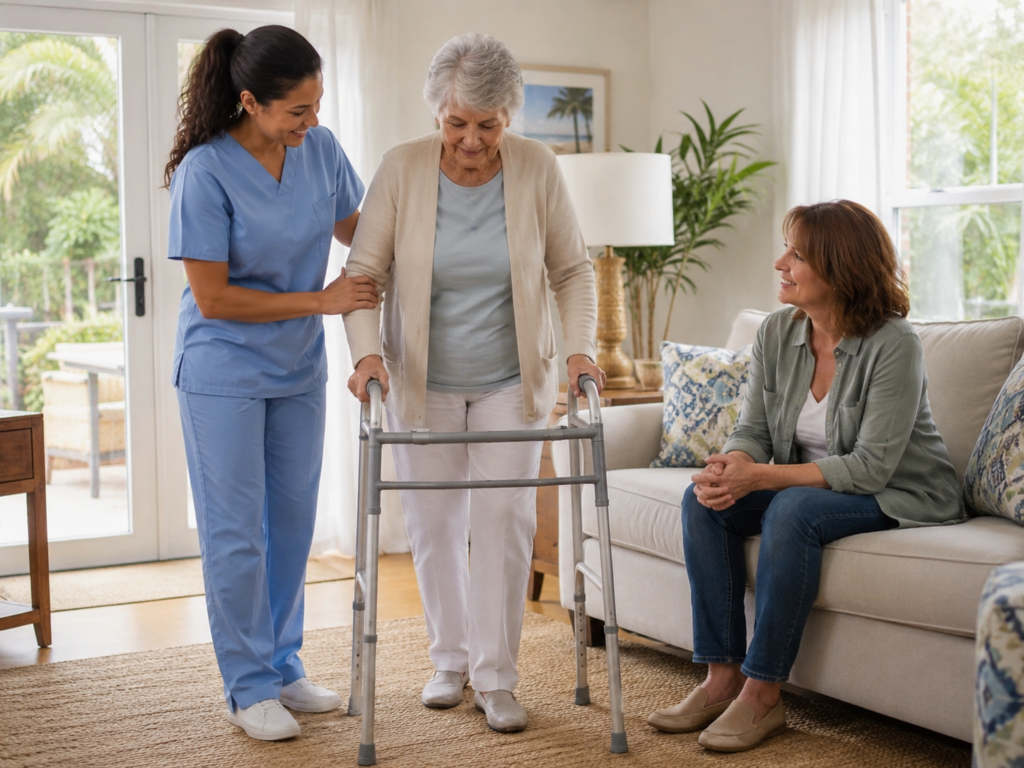
Physical therapy is another common home health service. A person may receive physical therapy at home after surgery, a fall, stroke, hospitalization, joint replacement, serious illness, or general decline in strength and balance.
The goal of physical therapy is often to improve movement, strength, balance, endurance, and safety. A physical therapist may help the person practice getting out of bed, standing from a chair, walking with a walker, climbing stairs, or moving from one room to another. Therapy may also focus on reducing fall risk and helping the person regain confidence.
Home-based physical therapy can be especially useful because the therapist sees the person’s real environment. Walking down a clinic hallway is not the same as walking from a bedroom to a bathroom at home. A therapist may notice that a rug creates a fall hazard, a chair is too low, or the bathroom layout makes transfers difficult.
Physical therapy does not simply “exercise” the person. It helps connect recovery goals to daily life. The therapist may teach safe movement techniques, recommend assistive devices, and help the family understand how much help the person needs. This can be very helpful after a hospital discharge, when families are trying to decide whether their loved one is safe alone.

Home Health Care Can Support Daily Function Through Occupational Therapy
Occupational therapy focuses on the everyday tasks that allow a person to function more safely and independently. Despite the name, occupational therapy is not only about employment. For older adults and people recovering at home, it often means learning how to bathe, dress, groom, use the bathroom, prepare simple meals, conserve energy, and move safely through daily routines.
An occupational therapist may help someone who has had a stroke relearn how to dress with one weaker side. They may help someone recovering from surgery learn safer ways to shower. They may help a person with arthritis use adaptive tools to complete daily tasks with less pain. They may recommend equipment such as a shower chair, grab bars, reacher, long-handled sponge, raised toilet seat, or bedside commode.
Occupational therapy can also help families understand what kind of support is needed. A person may seem fine while sitting in a chair, but struggle when asked to get dressed, stand at the sink, or step into the shower. These are the moments when falls and injuries often happen.
This is one reason the question What Does Home Health Care Do cannot be answered only in medical terms. Home health care can help connect medical recovery with practical daily living. It can show whether someone is truly able to manage at home or whether more support is needed.
Home Health Care Can Provide Speech Therapy
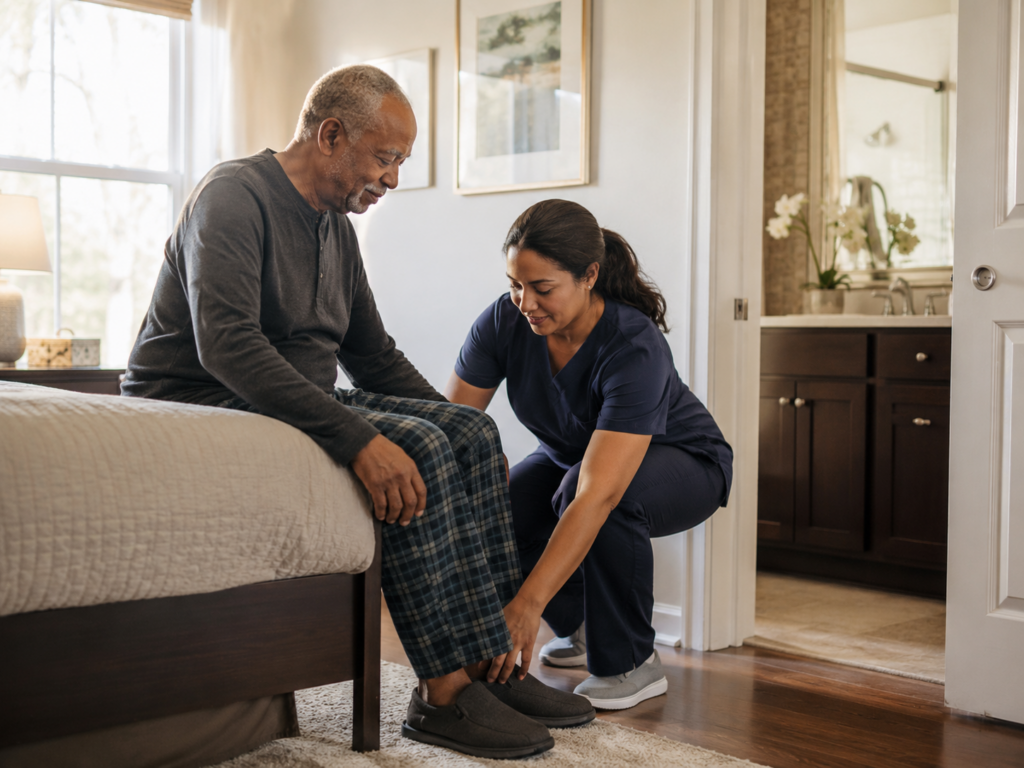
Speech therapy, also called speech-language pathology, may be part of home health care when a person has trouble with speech, communication, cognition, memory, or swallowing. This service is often needed after a stroke, brain injury, neurological condition, serious illness, or decline that affects communication or eating.
A speech-language pathologist may help someone speak more clearly, find words, understand language, follow directions, or use communication strategies. They may also work on memory, problem-solving, attention, and safety awareness. For example, a person recovering from a stroke may need help remembering steps in a routine or communicating basic needs.
Swallowing support can be especially important. Some people have difficulty swallowing safely after a stroke, neurological disease, or serious illness. A speech-language pathologist may evaluate swallowing concerns, recommend safer eating strategies, and help reduce the risk of choking or aspiration.
For families, speech therapy can provide guidance they may not have expected. A loved one who is eating less, coughing during meals, becoming confused with instructions, or struggling to communicate may need more than encouragement. They may need professional assessment and strategies that make daily care safer.
Home Health Care Can Help With Medical Social Services
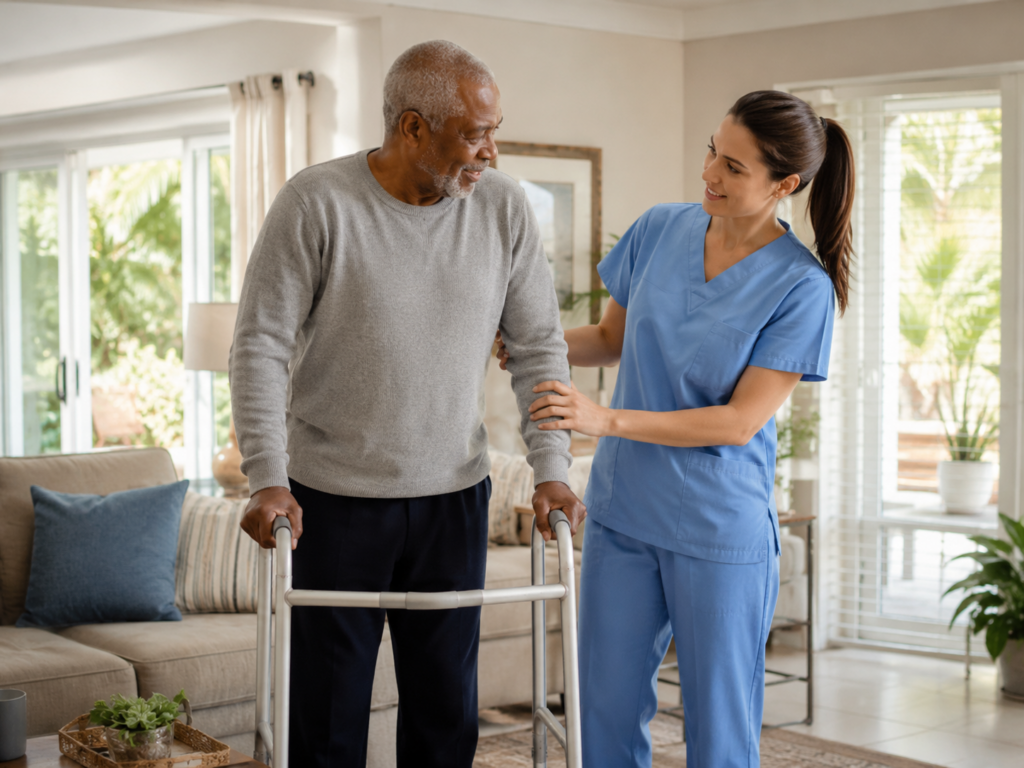
Medical social services are another part of home health care that families may not know about. A medical social worker can help the person and family cope with emotional, social, financial, and practical issues related to illness or recovery.
Illness often affects more than the body. Families may be worried about money, housing, caregiver burnout, transportation, advance directives, community resources, or long-term care decisions. A medical social worker can help identify resources, explain options, support planning, and connect families with services that may help.
For example, a social worker may help a family understand respite care, meal programs, transportation services, caregiver support groups, Medicaid resources, veterans benefits, or long-term care planning. They may also help families discuss difficult decisions about safety, living arrangements, or future care needs.
Medicare’s home health information includes medical social services as a covered service when ordered as part of a qualifying home health plan. The Medicare and Home Health Care booklet explains the home health benefit and encourages people with Medicare Advantage or other Medicare health plans to check plan materials for details about covered benefits.

Home Health Aides May Help With Personal Care
Home health aides may help with personal care when aide services are part of an approved skilled home health plan. This can include help with bathing, grooming, dressing, and other hands-on support during scheduled visits. However, families should understand the limits of this service.
A Medicare-covered home health aide is not usually the same as a private caregiver who stays for long shifts, provides companionship, cooks meals, drives to appointments, or supervises someone throughout the day. Home health aide services under Medicare are generally connected to a skilled need and are provided on a part-time or intermittent basis when requirements are met.
This is an area where families often become confused. A loved one may qualify for home health services, and the family may assume that means daily caregiving is covered. In reality, aide visits may be limited. If the person needs more help with bathing, meals, toileting, mobility, dementia supervision, or overnight safety, the family may need non-medical home care.
Medicare Interactive explains that Medicare may pay for a home health aide if the person requires skilled care, but it does not pay for an aide if the person only needs personal care and does not need skilled care. Medicare Interactive’s home health covered services overview is a useful plain-language resource for families trying to understand this distinction.
Home Health Care Helps After Hospital Discharge
Home health care often begins after a hospital stay. A person may be medically ready to leave the hospital but still too weak, unsteady, or medically fragile to return to normal routines. The hospital discharge planner may arrange skilled home health services if the person qualifies.
After discharge, home health care can help monitor recovery, reduce confusion, and support a safer transition. A nurse may check symptoms, review medications, and teach the family what to watch for. A physical therapist may help the person walk safely again. An occupational therapist may help with bathing and dressing. A speech therapist may address swallowing or cognitive concerns.
This support can be especially important because the first days and weeks after discharge can be risky. Older adults may be weaker than they realize. They may misunderstand medication instructions. They may try to walk to the bathroom alone and fall. They may not eat or drink enough. They may become more confused in the evening.
Home health care does not remove every risk, but it can provide professional oversight during a vulnerable period. Families should still ask what help is needed between visits. If a loved one cannot safely be alone, home health visits alone may not be enough.
Home Health Care Can Help Prevent Avoidable Decline
Another thing home health care does is help prevent avoidable decline. Not every person receiving home health is expected to make a full recovery. Some people have chronic conditions or progressive illnesses. In those cases, the goal may be to maintain function, reduce complications, manage symptoms, and help the person remain as stable as possible.
For example, someone with heart failure may need monitoring and education to recognize worsening symptoms earlier. Someone with chronic lung disease may need support with breathing strategies and energy conservation. Someone with diabetes may need education about foot care, wounds, or medication routines. Someone with Parkinson’s disease may need therapy to support safer movement.
Preventing decline does not always mean dramatic improvement. Sometimes it means fewer falls, better medication understanding, safer bathing, improved nutrition, or less anxiety for the family. These practical improvements can make a meaningful difference in quality of life.
Families often think of home health care only after a crisis. But home health can also support stability when a medical provider determines that skilled care is needed. The goal is to help the person stay as safe and functional as possible in their own environment.

Home Health Care Can Support Chronic Conditions
Chronic conditions can be difficult to manage at home, especially when multiple diagnoses are involved. A person may have heart disease, diabetes, arthritis, memory loss, and mobility issues all at once. Family members may feel overwhelmed trying to understand symptoms, medications, appointments, diet instructions, and safety concerns.
Home health care can help by bringing skilled professionals into the home to assess, teach, monitor, and guide. A nurse may help the family understand symptoms that should be reported. A therapist may help the person move more safely despite weakness or pain. A social worker may help connect the family with resources.
This support is not the same as having a full-time caregiver, but it can help families feel less alone. It can also identify problems earlier. A nurse may notice swelling, skin changes, confusion, or medication issues. A therapist may notice that a person is declining in strength or using equipment incorrectly.
Chronic illness often requires teamwork. Home health care can become one part of that team, along with physicians, specialists, family caregivers, non-medical caregivers, pharmacists, and community resources.
Home Health Care Can Help Families Understand Safety Risks
Many families do not realize how unsafe the home has become until a professional sees it. A loved one may be used to stepping over clutter, grabbing towel bars for balance, walking through dim hallways, or using furniture for support. These habits may seem normal until a fall occurs.
Home health professionals can help identify safety risks. A therapist may recommend removing loose rugs, improving lighting, rearranging furniture, adding grab bars, using a shower chair, or adjusting the height of a chair or bed. A nurse may notice medication confusion, poor hydration, skin concerns, or signs of infection.
Safety guidance can be one of the most valuable parts of home health care. It gives families practical steps they can take immediately. Small changes can reduce fall risk, make caregiving easier, and help the person feel more secure.
However, recommendations only help if they are followed. Families should ask questions and take notes during visits. If equipment is recommended, they should ask where to get it, how to use it, and whether insurance may cover any part of it.

What Home Health Care Does Not Usually Do
Understanding what home health care does also means understanding what it does not usually do. Home health care does not typically provide full-time supervision. It does not usually include long-term housekeeping, daily meal preparation, errands, transportation, companionship, or around-the-clock care unless those services are arranged separately.
Medicare-covered home health care is generally intermittent. A nurse, therapist, aide, or social worker may visit according to the plan of care, but they do not stay in the home continuously. If the person needs someone present for safety, especially because of dementia, fall risk, or severe weakness, the family will likely need additional support.
Home health care also does not replace emergency care. If a person has severe chest pain, uncontrolled bleeding, sudden stroke symptoms, major breathing distress, or another emergency, families should follow emergency instructions and call for urgent help.
It is also important to understand that home health care is not the same as hospice. Hospice focuses on comfort and quality of life for someone with a terminal illness who is no longer pursuing curative treatment for that illness. Home health care is often focused on recovery, rehabilitation, skilled monitoring, or maintaining function.
Home Health Care and Non-Medical Home Care Can Work Together
Many families need both skilled home health care and non-medical home care. The home health team may provide nursing or therapy visits, while non-medical caregivers help with daily routines between visits. This combination can be especially helpful after a hospital stay, during dementia care, or when a family caregiver is overwhelmed.
For example, a physical therapist may teach safe walking techniques, and a caregiver may help the person practice safe movement during the day. A nurse may explain medication instructions, and a caregiver may remind the person to follow the routine. An occupational therapist may recommend a safer bathing method, and a caregiver may help with showers.
The two services have different roles, but they can support the same goal: helping the person remain safe and comfortable at home. Families should make sure everyone understands the care plan. If a home health therapist gives instructions, the family can share those instructions with the home care agency. If a caregiver notices a change, the family can report it to the appropriate medical provider.
This teamwork can reduce gaps in care. It can also help family members feel more confident because they are not trying to manage everything alone.

When Someone May Need Home Health Care
A person may need home health care after surgery, hospitalization, a fall, stroke, infection, wound, new diagnosis, medication change, or decline in strength. They may also need it if they are having trouble walking, recovering from an illness, managing symptoms, or needing skilled nursing or therapy at home.
Signs that home health care may be worth discussing with a doctor include repeated falls, trouble getting out of bed, new weakness, difficulty bathing, shortness of breath, worsening wounds, confusion after hospitalization, difficulty swallowing, or a major change in daily function.
Families should not wait until everything becomes a crisis. If a loved one is struggling, it is reasonable to ask the physician whether a home health evaluation is appropriate. The doctor or allowed provider can determine whether skilled services are medically necessary and whether the person may qualify.
If the person does not qualify for skilled home health care, they may still benefit from non-medical home care. Not qualifying for Medicare-covered home health does not mean the person is safe without help. It only means the specific coverage rules may not apply.
How to Start Home Health Care
Starting home health care usually begins with a medical provider. A doctor, nurse practitioner, physician assistant, hospital discharge planner, or other allowed provider may order services if the person needs skilled care and meets eligibility rules. The provider creates or approves a plan of care, and a Medicare-certified home health agency may deliver the services if Medicare is the payer.
Families should be specific when speaking with the provider. Instead of saying, “Dad is having trouble,” explain what is actually happening. Is he falling? Is he unable to shower? Is he weaker after the hospital? Is he confused with medications? Is he short of breath walking to the bathroom? Specific examples help the provider understand whether skilled care may be needed.
If home health care is ordered, families should ask when the first visit will happen, which services are included, how often visits will occur, who to call with concerns, and what needs are not covered. This prevents misunderstandings.
Families should also ask whether additional home care is needed. If the person is unsafe alone, needs meals, requires toileting help, or has memory loss, scheduled skilled visits may not be enough.

Questions Families Should Ask
When trying to understand What Does Home Health Care Do, families should ask direct questions. What services are being ordered? Is this skilled nursing, physical therapy, occupational therapy, speech therapy, aide care, or social work? How often will visits happen? What are the goals? How long is care expected to continue?
They should also ask who pays. Is the care covered by Medicare, Medicaid, private insurance, a Medicare Advantage plan, or private pay? Are there any expected costs? Does durable medical equipment have cost-sharing? What happens if insurance stops covering visits?
Families should ask what they are expected to do between visits. Are there exercises to practice? Symptoms to monitor? Medications to track? Safety changes to make? Equipment to use? Care instructions to follow?
Finally, families should ask what support is still missing. Does the person need help bathing? Cooking? Getting to the bathroom? Avoiding falls? Staying safe overnight? If the answer is yes, non-medical home care may need to be part of the plan.

Understanding the Real Purpose of Home Health Care
The answer to What Does Home Health Care Do is that it helps bring skilled care, guidance, and support into the home for people who need medical or therapy services after illness, injury, surgery, or decline. It can help with skilled nursing, therapy, personal care connected to a skilled plan, social support, education, recovery, and safety planning.
At the same time, home health care is not usually a full-time caregiving solution. It does not typically replace family caregivers or private home care when someone needs daily help, long shifts, companionship, meal preparation, dementia supervision, or around-the-clock support. Families often get the best results when they understand the difference and build a care plan that includes both medical and daily living needs.
For families in Vero Beach and Indian River County, Hummingbird Care Services provides non-medical in-home support that can work alongside skilled home health care when a loved one needs help with daily routines, personal care, safety, companionship, or respite. Families can learn more about Hummingbird’s in-home care services, explore personal assistance services, or review Hummingbird’s home care FAQs to better understand how daily support at home can help.
When a loved one is recovering or becoming less independent, the right mix of care can make home safer and more manageable. Hummingbird Care Services can be reached at (772) 202-2213 for local guidance and care planning.