
When a loved one is recovering from an illness, injury, surgery, hospital stay, or sudden decline in strength, families often wonder whether care can be brought into the home. This usually leads to an important question: Who Qualifies For Home Health Care Services? The answer depends on the type of care being discussed, the person’s medical condition, the services needed, the payer source, and whether the person meets certain eligibility requirements.
In the strict medical sense, home health care usually refers to skilled services provided in the home by nurses, physical therapists, occupational therapists, speech-language pathologists, medical social workers, and sometimes home health aides. These services are often ordered by a doctor or other allowed medical provider after a person has a qualifying medical need. Home health care is commonly used after hospitalization, surgery, serious illness, wound care needs, stroke, falls, weakness, or a change in health status.
However, families often use the phrase “home health care” more broadly. They may be talking about help with bathing, dressing, meals, light housekeeping, transportation, companionship, dementia supervision, or general safety at home. Those services are often considered non-medical home care rather than skilled home health care. The distinction matters because different services have different eligibility rules and payment options.
Understanding who qualifies can help families avoid confusion during a stressful time. It can also help them plan more realistically. A person may qualify for Medicare-covered home health visits but still need separate non-medical caregiving support between those visits. Another person may not qualify for skilled home health but may still benefit greatly from private-pay home care, veterans benefits, long-term care insurance, or Medicaid-based support.

What Home Health Care Services Usually Include
Before answering Who Qualifies For Home Health Care Services, it helps to understand what home health care services usually include. Home health care is generally designed to provide skilled medical or therapy services in the place a person lives. That may be a private home, apartment, assisted living community, or family member’s residence.
Common services include skilled nursing, physical therapy, occupational therapy, speech therapy, medical social work, and home health aide services when they are part of an approved skilled care plan. A nurse may monitor a condition, provide wound care, educate the patient and family, help manage symptoms, or communicate with the physician. A physical therapist may work on walking, balance, strength, transfers, and fall prevention. An occupational therapist may help the person relearn or adapt daily tasks like bathing, dressing, grooming, or safely using the bathroom.
Speech therapy may help with speech, memory, cognition, communication, or swallowing. Medical social workers can help with care planning, emotional support, community resources, and family challenges. Home health aides may help with bathing or personal care when that care is connected to the skilled home health plan.
Home health care is usually intermittent, meaning it is provided through scheduled visits rather than full-time care. This is one of the most common misunderstandings families have. A person might qualify for nursing or therapy visits a few times per week, but that does not mean a caregiver will remain in the home all day. If the person also needs ongoing help with meals, toileting, bathing, supervision, or overnight safety, the family may need non-medical home care in addition to skilled home health services.

Medicare Eligibility for Home Health Care
Many families ask about qualification because they want to know whether Medicare will pay. Medicare has specific eligibility rules for home health care. According to Medicare’s home health services guidance, a person generally must need part-time or intermittent skilled services, be under the care of a doctor or other allowed provider, have a care plan that is created and reviewed by that provider, be considered homebound, and receive services from a Medicare-certified home health agency.
The skilled need is a major part of qualification. A person may qualify if they need skilled nursing care on an intermittent basis, physical therapy, speech-language pathology services, or continued occupational therapy. The care must be medically necessary and ordered as part of the care plan.
The homebound requirement is also important. Homebound does not always mean the person can never leave home. It usually means leaving home is difficult, requires considerable effort, or requires help from another person or assistive equipment. Medicare notes that a person may still leave home for medical treatment, adult day care, religious services, or short and infrequent non-medical reasons and still potentially qualify.
Medicare also explains that a person generally will not qualify for home health services if they need more than part-time or intermittent skilled care. This means Medicare home health is not designed to cover long-term, around-the-clock caregiving. It is meant for eligible skilled services provided on an intermittent basis.

The Role of the Doctor or Medical Provider
A person does not usually qualify for Medicare-covered home health care simply because the family requests it. A doctor or allowed medical provider must be involved. The provider must determine that home health care is medically necessary, create or approve a plan of care, and review that plan as required.
This often happens after a hospital stay, rehabilitation stay, surgery, or major change in condition. A discharge planner may arrange home health services before the person leaves the hospital. In other cases, a primary care doctor, specialist, or nurse practitioner may order home health care after noticing that the person has become weaker, less mobile, or medically unstable.
The provider’s order should connect the person’s condition to the need for skilled care. For example, a person recovering from hip surgery may need physical therapy at home because leaving home is difficult and therapy is needed to regain safe mobility. Someone with a wound may need skilled nursing to monitor healing and change dressings. Someone who had a stroke may need therapy to improve movement, speech, swallowing, or daily function.
The care plan matters because it explains what services are needed, how often they should occur, and what goals the care is trying to achieve. Home health care is not simply general help around the house. It is tied to a medical need, functional goal, recovery plan, or skilled service requirement.

What Does It Mean to Be Homebound?
The homebound requirement can be confusing. Many people assume that being homebound means a person never leaves the home under any circumstances. That is not always true. In Medicare’s home health rules, homebound generally means the person has difficulty leaving home safely and doing so requires considerable effort.
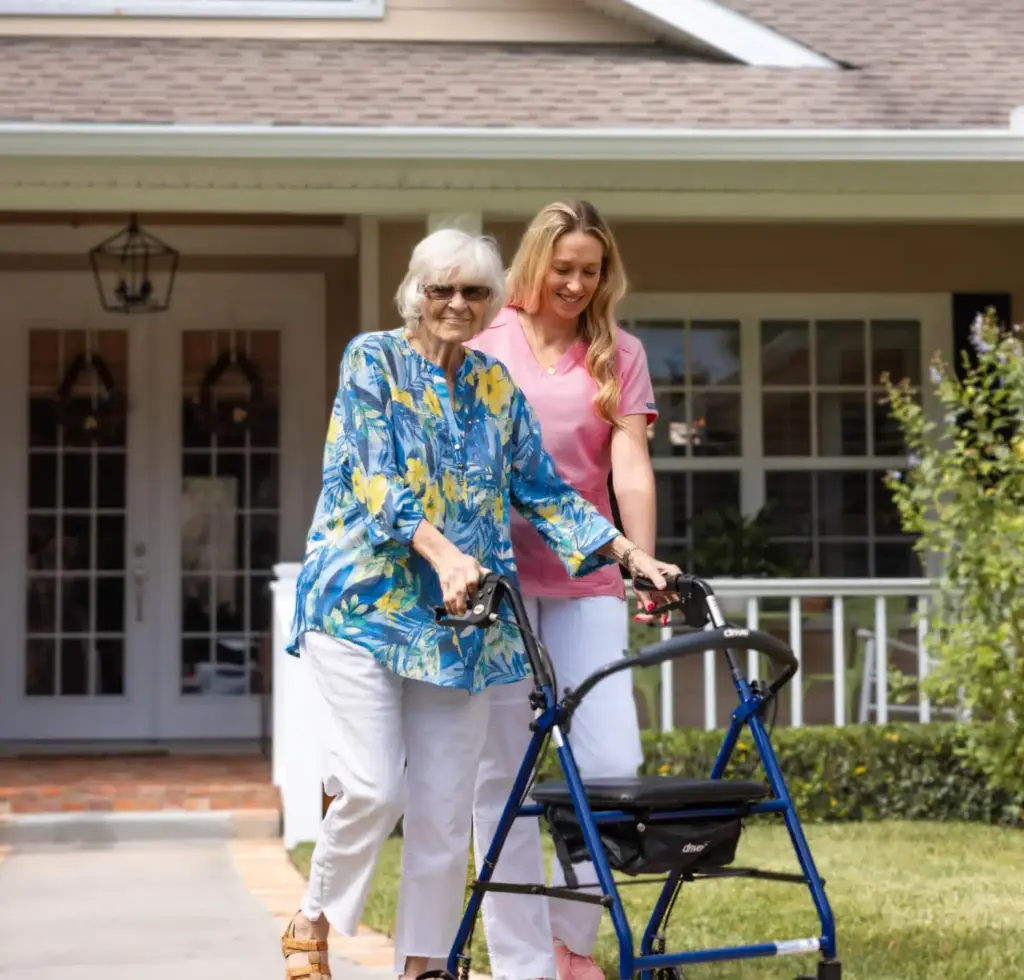
A person may be homebound because they need a walker, wheelchair, cane, crutches, special transportation, or help from another person to leave home. They may also be homebound because leaving home is medically unsafe due to weakness, illness, confusion, severe shortness of breath, pain, or risk of falling.
A person may still leave home occasionally and remain eligible if the absences are short, infrequent, or for certain approved reasons. Medical appointments are allowed. Attendance at adult day care or religious services may also be allowed. The key issue is whether leaving home is difficult and whether the person generally needs care brought to them because of their condition.
For example, someone who can casually drive to the store, attend social activities, and leave home regularly without major difficulty may not meet the homebound requirement. Someone who only leaves for doctor visits with help from a family member and becomes exhausted from the effort may be more likely to meet the requirement.
Families should ask the ordering provider or home health agency to explain how homebound status applies to their loved one. Documentation matters, and the specific facts of the person’s condition are important.

Medical Conditions That May Lead to Qualification
There is no single diagnosis that automatically qualifies everyone for home health care. Qualification depends on the person’s condition, skilled needs, homebound status, and payer rules. However, certain situations commonly lead to home health referrals.
A person may qualify after surgery, especially if they need wound care, therapy, mobility training, or monitoring during recovery. Joint replacement surgery, cardiac procedures, abdominal surgery, and other operations can leave a person temporarily unable to travel easily for care.
Falls are another common reason. After a fall, a person may need physical therapy for balance, strength, walking, and transfer safety. If the fall caused injury or fear of walking, therapy at home may help the person regain confidence while also identifying safety concerns in the actual home environment.
Stroke recovery may involve several home health services. A person may need physical therapy for movement, occupational therapy for daily tasks, speech therapy for communication or swallowing, and nursing support for monitoring and education. Home health can be especially helpful because stroke recovery affects real daily routines.
Chronic illness may also qualify someone if there is a skilled need and the person meets other requirements. Conditions such as heart failure, chronic obstructive pulmonary disease, diabetes, kidney disease, neurological disorders, and other serious illnesses may lead to home health care after a change in condition or hospitalization.
Wounds, infections, medication changes, weakness, and general decline may also trigger a home health referral when skilled care is needed. The question is not only what diagnosis the person has, but what skilled service is medically necessary at home.
Who Qualifies After a Hospital Stay?
Many people first receive home health care after being discharged from the hospital. A hospital stay can leave an older adult weaker, more confused, less steady, or less confident than before. Even if the medical crisis has improved, the person may not be ready to travel safely to outpatient appointments.
A discharge planner or case manager may recommend home health care if the person needs skilled nursing, therapy, wound care, or monitoring after discharge. This can help reduce the risk of complications and may support a safer transition home.
For example, someone hospitalized for pneumonia may need nursing assessment, education, and monitoring for symptoms. Someone hospitalized after a fall may need physical therapy and home safety recommendations. Someone discharged after surgery may need wound care and therapy. Someone with a new medication routine may need education and monitoring.
However, qualifying for home health after a hospital stay does not automatically mean the person will receive daily caregiving. Skilled visits may be scheduled, but they are not the same as full-time assistance. If the person cannot bathe, dress, prepare meals, or stay safe alone, the family should plan for additional non-medical support.
This is often where confusion happens. The hospital may say “home health has been ordered,” and the family may assume that all daily needs will be covered. In reality, home health visits may be brief and intermittent. Families should ask exactly which services are being arranged, how often visits will happen, and what needs are not covered.

Who Qualifies for Home Health Aide Services?
Home health aide services may be available under certain home health care plans, but they are not usually covered as a stand-alone benefit when a person only needs personal care. Under Medicare rules, aide services are generally tied to a qualifying skilled home health need.
A home health aide may help with bathing, grooming, dressing, toileting, or other personal care tasks during a covered episode of care. However, the aide is not usually there for housekeeping, errands, meal preparation, transportation, or companionship as the main purpose of the visit. The aide’s role is connected to the medical plan and the person’s eligible home health needs.
This is different from non-medical home care. A non-medical caregiver may help with bathing, meals, light housekeeping, laundry, transportation, companionship, dementia supervision, medication reminders, and routine support. These services may be arranged privately and can continue long after skilled home health visits end.
Families should ask whether the aide services being discussed are Medicare-covered home health aide visits or private-pay caregiver services. The names sound similar, but the coverage, schedule, and purpose may be very different.

Who Does Not Usually Qualify for Medicare-Covered Home Health?
Some people need help at home but do not qualify for Medicare-covered home health services. For example, a person who only needs help with housekeeping, errands, meal preparation, companionship, or supervision may not qualify if there is no skilled medical need.
A person who is not homebound may also not qualify. If leaving home is not difficult and the person can reasonably receive care in an outpatient setting, Medicare-covered home health may not be approved.
A person who needs long-term full-time custodial care may not qualify for Medicare home health as the primary solution. Medicare states that someone will not qualify for home health services if they need more than part-time or intermittent skilled care. This means Medicare is not generally a payer for ongoing 24/7 personal care.
It is also possible for someone to qualify for a short period and then no longer qualify. If therapy goals are met, the wound heals, the condition stabilizes, or the skilled need ends, home health services may stop even if the person still needs help with daily living. That ongoing daily help may need to come from family caregivers, private home care, long-term care insurance, veterans benefits, or Medicaid-based programs when available.
This can feel frustrating for families, but it is better to know early. Understanding the limits of Medicare-covered home health helps families plan for the care their loved one actually needs.

Medicaid and Home Health Care Qualification
Medicaid may cover certain home health services and home and community-based services for people who meet financial, medical, and functional eligibility rules. Unlike Medicare, Medicaid is based partly on income and asset eligibility, and rules vary by state.
The federal Medicaid program explains that home and community-based services are designed to help eligible people receive services in their own homes or communities rather than in institutions or isolated settings. These programs can serve older adults, people with physical disabilities, people with intellectual or developmental disabilities, and other groups depending on the state and program.
In Florida, Medicaid-covered services and waiver programs are administered through the state, and families may need to review Florida Medicaid covered services and HCBS waivers to understand what may be available. Eligibility can be complex, and some programs may have waitlists, service limits, or managed care requirements.
Medicaid qualification is different from Medicare qualification. A person may qualify for Medicare due to age or disability but not qualify for Medicaid because their income or assets are too high. Another person may qualify for Medicaid but still need an assessment to determine what home-based services are authorized.
Families should contact the appropriate state Medicaid office, Aging and Disability Resource Center, elder law attorney, or benefits counselor for guidance. Because Medicaid rules can change and vary by state, local advice is especially important.

Private Insurance and Medicare Advantage Plans
Private insurance and Medicare Advantage plans may have their own requirements for home health care services. Many Medicare Advantage plans cover home health services when the person meets Medicare rules, but the plan may have network requirements, prior authorization rules, referral procedures, or specific agencies the person must use.
Families with Medicare Advantage should review the plan’s benefits and contact the plan directly. They should ask whether prior authorization is required, which home health agencies are in network, what services are covered, how many visits may be approved initially, and how additional visits are requested.
Private insurance for younger adults may also cover home health care after surgery, illness, or injury, depending on the policy. Coverage may be limited, and preauthorization may be required. The physician’s order, medical necessity, and documentation are usually important.
Long-term care insurance is different from regular health insurance. It may help pay for non-medical home care if the person meets the policy’s benefit triggers. These triggers often involve needing help with a certain number of activities of daily living or having cognitive impairment. Families should read the policy carefully because each long-term care insurance plan has its own rules.

Veterans Benefits and Home-Based Support
Veterans and surviving spouses may qualify for certain benefits that help with care at home. These benefits are separate from Medicare home health care and may depend on military service history, disability status, income, assets, care needs, and other eligibility factors.
Some veterans may receive home-based primary care, skilled services, homemaker and home health aide support, respite, or other programs through the Department of Veterans Affairs if they qualify. Others may use pension-related benefits, such as Aid and Attendance, to help pay for care.
The key point is that veterans benefits may help support home-based care, but qualification is not automatic. Families should contact the VA, a veterans service officer, or an accredited representative to understand available programs and application requirements.
For veterans who want to remain at home, combining benefits with family support, private care, or community services may make a meaningful difference. Planning ahead is important because benefit applications and approvals can take time.
Qualifying for Non-Medical Home Care
Not everyone who needs help at home qualifies for skilled home health care, but that does not mean they have no options. Non-medical home care is often available without the same medical eligibility rules, especially when families are paying privately or using long-term care insurance.
A person may be appropriate for non-medical home care if they need help with bathing, dressing, grooming, toileting, meals, laundry, light housekeeping, transportation, errands, companionship, medication reminders, mobility support, fall prevention, dementia supervision, or respite for family caregivers.
Non-medical home care can be scheduled around the family’s needs. Some people need a few hours per week. Others need daily help, overnight care, or 24-hour care. Because this type of care is often private-pay, qualification is usually based more on need, safety, and service availability than on strict medical rules.
This is an important distinction. A person may be denied Medicare-covered home health because they do not need skilled care, but still clearly need help at home. In that case, home care may be the more appropriate service.

Signs a Loved One May Need Help at Home
Families often begin asking Who Qualifies For Home Health Care Services after noticing changes in daily life. A loved one may be falling more often, skipping meals, forgetting medications, losing weight, struggling to bathe, leaving bills unpaid, becoming confused, or withdrawing from normal activities.
Other warning signs include difficulty getting out of a chair, trouble walking safely, repeated hospital visits, poor hygiene, unsafe driving, spoiled food in the refrigerator, burned pots, or increased anxiety when alone. These signs may indicate that the person needs a medical evaluation, home health referral, non-medical home care, or a combination of supports.
Sometimes the need appears suddenly after a hospital stay. Other times it develops gradually. Families may adapt without realizing how much care they are providing until they become exhausted. When caregiving begins to affect a spouse’s sleep, health, work, or emotional stability, it is time to look more seriously at formal support.
A professional assessment can help determine whether the person needs skilled services, daily personal care, safety supervision, memory support, or another level of care. It is better to ask early than to wait until a crisis forces a rushed decision.
How to Start the Qualification Process
The first step is usually to speak with the person’s doctor, hospital discharge planner, or medical provider. Families should explain what has changed, what the person can no longer do safely, and what support is needed at home. Specific examples are helpful. Instead of saying “Mom is weak,” say “Mom cannot get from the bed to the bathroom without help and has fallen twice this month.”
If skilled home health care may be appropriate, the provider can order an evaluation or refer the person to a Medicare-certified home health agency. The agency will assess the person, review eligibility, and create a care plan if the person qualifies.
If the person does not qualify for skilled home health, families should ask what other options are available. This may include outpatient therapy, private home care, Medicaid programs, veterans benefits, adult day programs, respite care, or community resources.
Families should also gather insurance information, medication lists, discharge paperwork, diagnoses, recent hospital records, and physician instructions. These details can help providers understand the situation more clearly.

Questions Families Should Ask
Families should ask what type of care is being recommended and why. Is it skilled nursing, therapy, home health aide support, non-medical home care, hospice, palliative care, or private duty nursing? Each service has a different purpose.
They should ask who is paying for the care and what requirements must be met. If Medicare is involved, ask whether the person meets homebound and skilled need requirements. If Medicaid is involved, ask about financial eligibility, functional assessment, program availability, and waitlists. If private insurance is involved, ask about authorization and network rules.
Families should also ask how often visits will happen and how long they will last. A person may qualify for home health visits, but the visits may not cover all daily needs. If someone needs help between visits, that should be planned separately.
Finally, families should ask what happens when home health services end. Many people improve enough that skilled services stop, but they may still need help with bathing, meals, transportation, or supervision. Planning for that transition can prevent a gap in care.

Understanding Qualification in Real Life
The practical answer to Who Qualifies For Home Health Care Services is that qualification depends on need, payer rules, and the type of care being requested. For Medicare-covered skilled home health care, a person usually needs a medical provider’s order, a skilled need, homebound status, a care plan, and a Medicare-certified agency. For Medicaid, qualification depends on state-specific financial and functional rules. For private home care, qualification is usually based on the person’s daily support needs and the family’s care goals.
The most important thing is not to assume that one type of care covers everything. Skilled home health care can be extremely helpful, but it is usually intermittent. Non-medical home care can provide daily support, but it is not a replacement for skilled nursing or therapy. Hospice focuses on comfort near the end of life. Private duty nursing may be needed for more complex clinical care.
Families make better decisions when they understand these differences. A loved one may need one service now and another service later. Care needs often change after hospitalization, falls, illness, dementia progression, or general decline.

Finding the Right Support at Home
Understanding Who Qualifies For Home Health Care Services gives families a clearer path forward. If a loved one needs skilled care after an illness, injury, or hospital stay, the first step is usually to speak with a medical provider about a home health referral. If the loved one mainly needs help with daily routines, safety, companionship, memory support, or personal care, non-medical home care may be the more appropriate option.
For families in Vero Beach and Indian River County, Hummingbird Care Services provides local non-medical in-home support for seniors and adults who need help remaining safe and comfortable at home. Families can learn more about Hummingbird’s in-home care services, explore support options for personal assistance, or review the company’s home care FAQs to better understand what daily care at home can include.
When families are unsure whether a loved one needs skilled home health care, non-medical home care, or both, a local conversation can help clarify the next step. Hummingbird Care Services can be reached at (772) 202-2213 for guidance, care planning, and support at home.