
When a loved one is facing a serious illness, families often reach a point where the goal of care begins to change. Instead of focusing on hospital visits, aggressive treatments, or repeated attempts to cure an illness that is no longer improving, the focus may shift toward comfort, dignity, peace, and quality of life. At that point, families may begin asking: What is Hospice Care at Home?
Hospice care at home is specialized end-of-life care provided wherever a person lives, including a private home, apartment, assisted living community, or family member’s residence. It is designed for people with a terminal illness when the focus has moved from curative treatment to comfort-focused care. The goal is not to “give up.” The goal is to help the person live as comfortably and meaningfully as possible while supporting the family through one of life’s most emotional seasons.
For many people, home is where they feel safest. It is where they know the sounds, the rooms, the routines, the favorite chair, the family photos, the pets, and the people they love. Hospice care at home allows a person to receive medical, emotional, spiritual, and practical support without leaving the familiar surroundings that bring comfort.
Understanding hospice can remove some of the fear around the word. Many families delay hospice because they believe it means care is ending. In reality, hospice often brings more support into the home, not less. It adds a team of professionals who understand pain, symptoms, family stress, emotional needs, and the practical realities of caring for someone near the end of life.

Hospice Care Focuses on Comfort Instead of Cure
The clearest answer to What is Hospice Care at Home is that it is comfort-focused care for someone with a life-limiting illness. The hospice team does not try to cure the illness. Instead, it focuses on relieving pain, reducing distress, managing symptoms, and helping the person and family experience as much comfort and peace as possible.
This does not mean the person stops receiving care. In many cases, the person receives more attentive support than before. Hospice may include nursing visits, medications related to the terminal illness, medical equipment, supplies, aide visits, social work support, chaplain services, grief support, and guidance for the family. The care is built around comfort, dignity, and quality of life rather than repeated emergency interventions.
For example, a person with advanced heart disease may no longer benefit from repeated hospitalizations. Hospice may help manage shortness of breath, anxiety, swelling, pain, and fatigue at home. A person with advanced cancer may receive help with pain control, nausea, appetite changes, weakness, and emotional distress. A person with advanced dementia may receive support with comfort, eating changes, skin care, agitation, and family guidance.
Hospice is not limited to one diagnosis. It may be appropriate for many terminal conditions, including cancer, heart disease, lung disease, kidney disease, liver disease, neurological disease, stroke, advanced dementia, and general decline when a doctor believes the person may be in the final months of life.

Who Provides Hospice Care at Home?
Hospice care is delivered by an interdisciplinary team. This team usually includes a hospice physician or medical director, the person’s attending physician if they choose to keep one involved, nurses, hospice aides, social workers, chaplains, volunteers, bereavement counselors, and other professionals depending on the person’s needs.
The hospice nurse is often one of the main points of contact. Nurses assess symptoms, teach the family what to expect, communicate with the physician, help manage medications, and guide the care plan as the person’s condition changes. They also help families understand when a symptom is expected, when medication may help, and when to call for support.
Hospice aides may help with personal care such as bathing, grooming, changing linens, and keeping the person comfortable. Social workers can help families cope with emotional stress, decision-making, advance directives, caregiver strain, and community resources. Chaplains can provide spiritual support for people of many faith backgrounds or no religious background at all. Bereavement services support the family before and after the death.
Volunteers may also be part of hospice care. They might provide companionship, sit with the patient for short periods, read aloud, offer conversation, or give family caregivers a brief chance to rest. Not every family uses every service, but hospice is designed to surround the patient and family with layered support.
Is Hospice Care at Home the Same as 24-Hour Care?
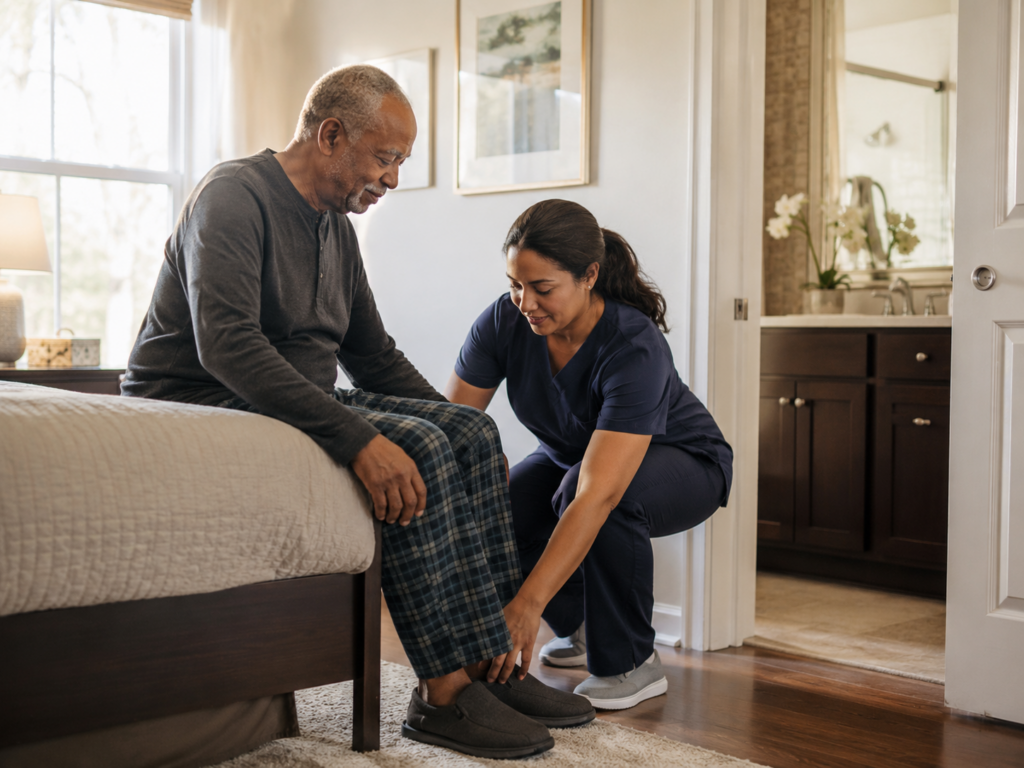
Hospice care at home does not usually mean a hospice nurse or aide stays in the home 24 hours a day. This is one of the most important things families should understand. Hospice provides scheduled visits and on-call support, but the day-to-day caregiving is often still handled by family members, friends, or privately hired caregivers.
The hospice team may visit several times per week or more often depending on the situation. Nurses may come to assess symptoms, adjust the care plan, and provide guidance. Aides may come to help with bathing or personal care. Social workers, chaplains, and volunteers may visit as needed. Hospice usually provides a 24/7 phone line so families can call when symptoms change or urgent guidance is needed.
However, most hospice care at home relies on someone being present with the patient between visits. That person may be a spouse, adult child, friend, or paid caregiver. If the patient cannot safely be left alone, the family may need additional home care support to cover daily routines, overnight supervision, or around-the-clock care.
This is where families sometimes combine hospice with non-medical home care. Hospice handles the medical comfort plan related to the terminal illness. A home care agency can help with companionship, meals, light housekeeping, bathing support, mobility assistance, respite, supervision, and practical daily help. Together, these services can make it easier for someone to remain at home near the end of life.

Who Qualifies for Hospice Care at Home?
Hospice eligibility depends on medical need and prognosis. In general, hospice is for people who have a terminal illness and a life expectancy of six months or less if the illness follows its usual course. The person must also choose comfort-focused care rather than curative treatment for the terminal condition.
According to Medicare’s hospice care coverage guidance, hospice may be covered when a hospice doctor and the person’s doctor certify that the individual is terminally ill, usually meaning a life expectancy of six months or less if the disease runs its normal course. The person must accept comfort care instead of care intended to cure the terminal illness and sign a statement choosing hospice care.
This six-month guideline does not mean hospice automatically stops after six months. Some people live longer than expected. If the hospice medical team continues to certify that the person remains eligible, hospice can continue. Other people may improve enough to leave hospice care. Hospice is flexible in that sense. A person can also revoke hospice if they decide to pursue curative treatment again.
Families should not wait until the final days to ask about hospice. Many people receive hospice very late, even though they may have benefited from support earlier. If a loved one has frequent hospitalizations, worsening weakness, significant weight loss, uncontrolled pain, repeated infections, increased confusion, or a serious illness that is no longer responding well to treatment, it may be time to ask a physician whether hospice is appropriate.
What Services Are Included in Hospice Care at Home?
Hospice services are designed around the person’s terminal diagnosis and comfort needs. The exact services vary by care plan, but they often include nursing care, physician oversight, medications for symptom control, medical equipment, medical supplies, hospice aide visits, social work services, spiritual care, volunteer support, respite care, and bereavement counseling.
Medications related to the terminal illness and comfort may be covered under the hospice benefit. These may include medications for pain, shortness of breath, nausea, anxiety, constipation, agitation, secretions, or other symptoms. The goal is to reduce suffering and help the person remain as comfortable as possible.
Medical equipment may include a hospital bed, oxygen equipment, wheelchair, walker, bedside commode, shower chair, or other items needed for comfort and safety. Supplies may include bandages, gloves, incontinence products related to the hospice diagnosis, or other care items.
Hospice also supports the family. This support can be just as important as the medical care. Family members may need help understanding what changes mean, how to give medications, how to reposition a loved one, what to do when appetite decreases, and what signs may indicate that the person is nearing the final days. Hospice does not remove the sadness of the situation, but it can reduce confusion and fear.

What Hospice Care Does Not Usually Include
Hospice is a strong support system, but it does not cover everything a family may need. Hospice does not usually provide full-time custodial care in the home. It does not usually pay for someone to stay with the patient all day and all night unless the person qualifies for a specific short-term level of care during a crisis. Most routine hospice care at home is visit-based.
Hospice also does not usually cover treatments intended to cure the terminal illness. If a person elects hospice, the care plan focuses on comfort instead of aggressive treatment for that illness. However, the person can still receive care for conditions unrelated to the terminal diagnosis. For example, someone on hospice for advanced cancer may still receive care for an unrelated injury, depending on the situation and payer rules.
Room and board are generally not covered by hospice if the person lives in a facility, although hospice services may still be provided there. In a private home, the family remains responsible for household expenses, food, utilities, and general living costs.
Hospice also does not replace family decision-making. The hospice team gives guidance and support, but families may still need to make choices about caregiving schedules, visitors, home safety, emergency plans, and how much help is needed between hospice visits.
Hospice Care at Home Versus Palliative Care
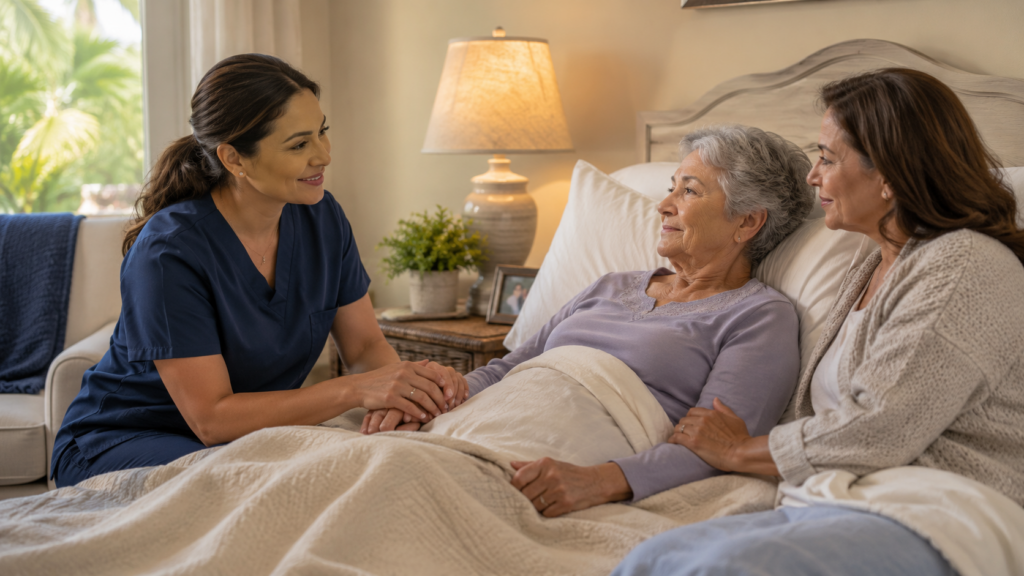
Hospice and palliative care are closely related, but they are not the same. Palliative care focuses on relief from symptoms, pain, and stress caused by serious illness. It can be provided at any stage of illness and can be used alongside curative treatment. Hospice care is a specific type of palliative care for people who are nearing the end of life and are no longer pursuing curative treatment for the terminal illness.
For example, a person undergoing chemotherapy may receive palliative care to help manage pain, nausea, fatigue, anxiety, and treatment side effects. That person may still be trying to treat or control the cancer. Later, if treatment is no longer helping or the person chooses comfort care, hospice may become appropriate.
This distinction helps families understand that comfort-focused care is not only for the final days. Symptoms, stress, and quality of life matter throughout a serious illness. Palliative care may begin earlier, while hospice begins when the person meets hospice eligibility and chooses that path.
When families ask What is Hospice Care at Home, they are often trying to understand whether hospice means “nothing more can be done.” A better way to think of it is this: hospice means the type of care changes. The team stops trying to cure the illness and starts focusing fully on comfort, dignity, emotional support, and peace.

When Is It Time to Consider Hospice at Home?
It may be time to consider hospice when a person’s illness is progressing despite treatment, when hospitalizations are becoming more frequent, or when treatments are causing more burden than benefit. Families may notice that their loved one is sleeping more, eating less, losing weight, becoming weaker, falling more often, needing more help with daily activities, or withdrawing from normal routines.
In advanced dementia, hospice may be considered when the person has severe memory loss, limited speech, difficulty eating or swallowing, repeated infections, weight loss, reduced mobility, or significant decline in daily function. In advanced heart or lung disease, signs may include worsening shortness of breath, repeated hospital visits, severe fatigue, oxygen dependence, or difficulty completing basic activities.
In cancer, hospice may be appropriate when the disease continues to progress despite treatment, when treatment is no longer desired, or when the person’s main goal becomes comfort at home. In general decline, hospice may be considered when a person is becoming increasingly frail, losing weight, needing more help, and showing signs that the body is slowing down.
The decision does not have to be made alone. Families can ask the physician, specialist, hospital discharge planner, or hospice agency for an evaluation. Asking about hospice does not force a decision. It simply opens the conversation so the family can understand options.
Why Many Families Choose Hospice at Home
Many families choose hospice at home because it allows their loved one to remain in a familiar environment. Hospitals can be necessary and lifesaving, but they can also be overwhelming, especially for someone who is very weak, confused, or near the end of life. Home can feel calmer, more personal, and less disruptive.
At home, families can create the atmosphere they want. They can play favorite music, welcome visitors, prepare familiar foods if the person can still eat, keep pets nearby, maintain meaningful routines, and spend time together without the constant interruptions of a hospital setting. Hospice helps make that environment more manageable by bringing professional support into the home.
Hospice at home can also help reduce unnecessary emergency room visits. When symptoms change, families can call hospice for guidance instead of immediately calling 911. The hospice team can help decide whether symptoms can be managed at home, whether a nurse visit is needed, or whether another level of care is appropriate.
For many families, the greatest benefit is emotional. Hospice gives them someone to call, someone to explain what is happening, and someone to help them prepare. It can ease the feeling of being alone during a deeply difficult time.

The Role of Family Caregivers During Hospice
Family caregivers often play a central role in hospice care at home. They may help with medications, repositioning, meals, mouth care, toileting, changing linens, comfort measures, communication with the hospice team, and simply being present. This can be meaningful, but it can also be exhausting.
Hospice teaches families what to expect and how to provide care safely. The team may explain how to use a hospital bed, when to give comfort medications, how to recognize pain, how to support someone who is no longer eating much, and what changes may occur near the end of life. This education can reduce panic and help families feel more prepared.
Still, family caregivers need support too. Caring for someone at the end of life can involve interrupted sleep, emotional strain, physical lifting, difficult decisions, and grief that begins before the person dies. Families should be honest about what they can and cannot do. Asking for help does not mean they are failing. It means they are trying to create a safer and more peaceful care environment.
Some families arrange additional non-medical caregivers during hospice. This can help with bathing, companionship, meal preparation, light housekeeping, overnight supervision, or respite for family members. It can also allow relatives to spend more time simply being with their loved one instead of managing every practical task alone.

What Happens in the Final Days of Hospice at Home?
The final days of life can be emotionally intense, especially when a family has never been through the process before. Hospice helps families understand common changes, such as increased sleeping, reduced appetite, less interest in drinking, changes in breathing, cool hands or feet, restlessness, confusion, or decreased responsiveness.
These changes can be frightening if families do not know what they mean. Hospice nurses can explain what is expected, what symptoms can be managed, and when medications or comfort measures may help. The team can also help families understand that reduced eating and drinking near the end of life is often part of the natural dying process, not a sign that the family is doing something wrong.
The focus during the final days is comfort. This may include repositioning, mouth care, calming touch, soft voices, medication for pain or breathing distress, and a quiet environment. Some families gather closely. Others keep the room peaceful with only a few people nearby. There is no single right way to be present.
Hospice also guides the family after death. The team can explain who to call, what happens next, and how bereavement support works. This guidance can be a tremendous relief during a moment when families may feel overwhelmed.

How Hospice Supports Grief and Bereavement
Hospice care does not end the moment a person dies. Bereavement support is an important part of hospice. Families may receive grief counseling, phone calls, mailings, support groups, or referrals to community resources. The exact services depend on the hospice provider, but grief support is part of the hospice model.
Grief can begin before death, especially when a loved one has been declining for months or years. Family members may feel sadness, guilt, relief, anger, exhaustion, confusion, or numbness. All of these reactions can be part of grief. Hospice can help normalize those feelings and connect families with support.
Bereavement care may be especially helpful for spouses who have been full-time caregivers. After the death, they may not only be grieving the person but also adjusting to a sudden loss of routine and purpose. Adult children may also struggle with decisions they made, things they wish they had said, or the emotional weight of watching a parent decline.
Hospice cannot remove grief, but it can help families feel less alone. That support is one reason many families later say they wish they had accepted hospice sooner.

Common Misunderstandings About Hospice Care at Home
One common misunderstanding is that hospice means death is expected immediately. While some people do receive hospice only in the final days, hospice is designed to support people for months when appropriate. Starting earlier can give the patient and family more time to benefit from the team’s support.
Another misunderstanding is that hospice means the person will receive no medical care. In reality, hospice provides medical care focused on comfort. Nurses, physicians, aides, social workers, chaplains, and other team members may all be involved. The difference is that the care plan is no longer centered on curing the terminal illness.
Some families worry that choosing hospice means they are giving up on their loved one. This feeling is understandable, but hospice is often an act of care and protection. It can prevent unwanted hospital trips, reduce suffering, and allow the person to spend more time in a peaceful setting.
Another misunderstanding is that hospice gives medications to speed up death. Hospice medications are used to relieve symptoms such as pain, anxiety, breathing distress, nausea, agitation, or secretions. The purpose is comfort, not hastening death.

How to Prepare the Home for Hospice Care
Preparing the home for hospice care does not have to be complicated. The hospice team can help determine what equipment and supplies are needed. Many families use a hospital bed because it makes positioning and caregiving easier. A bedside commode, oxygen equipment, wheelchair, walker, or shower chair may also be recommended.
The room should be comfortable and easy to access. Families may want to clear walkways, remove trip hazards, adjust lighting, and create space for equipment. It may help to keep medications, supplies, important phone numbers, and care instructions in one place.
Comfort matters too. A favorite blanket, soft music, meaningful photos, familiar scents, or gentle lighting can help the room feel less clinical. Home hospice should still feel like home. The goal is not to turn the house into a hospital. The goal is to bring the right support into a familiar place.
Families should also think about caregiver schedules. Who will be present during the day? Who can help overnight? Who will communicate with hospice? Who needs rest? These practical questions are important because home hospice depends on a realistic support plan.

Choosing the Right Support for Hospice at Home
The answer to What is Hospice Care at Home is ultimately about comfort, dignity, and support. Hospice brings end-of-life care into the place a person calls home. It helps manage pain and symptoms, supports emotional and spiritual needs, guides family caregivers, and gives loved ones someone to call when they are unsure what to do next.
For many families, hospice is paired with non-medical home care. Hospice provides the medical comfort plan, while home care helps with daily routines, companionship, personal care, light housekeeping, supervision, and caregiver relief. This combination can be especially helpful when a person wants to remain home but family members cannot manage every hour alone.
For families in Vero Beach and Indian River County, Hummingbird Care Services provides compassionate in-home support that can work alongside hospice services when families need extra help with daily care. Hummingbird’s in-home care services can help with personal assistance, companionship, safety support, mobility, respite, and daily routines. Families can also learn more about Hummingbird’s personal assistance services and its family-centered home care process.
When a loved one is receiving hospice or considering hospice, the right support can make home feel calmer, safer, and more manageable. Hummingbird Care Services can be reached at (772) 202-2213 for local guidance and care planning.